thermal drones for sale: 6 Reliable Questions Before You Buy the Wrong Payload
Buyer conversation for UAV thermal payload sourcing
thermal drones for sale: 6 Reliable Questions Before You Buy the Wrong Payload
A utility inspection team searches for thermal drones for sale after a demo flight looks convincing. Then the practical questions arrive: will the payload fit the bracket, can the pilot see low-latency video, can procurement get the right documentation, and is the quoted bundle something the team can repeat across more aircraft?
Quick answer
thermal drones for sale is a useful starting search, but B2B buyers should decide whether they need a finished drone, a replaceable payload, or a compact thermal module for OEM integration. If the project needs repeatable sourcing, low weight, USB or CVBS video paths, field documentation, and application-specific mounting, write the RFQ around the thermal payload first and the aircraft second.
thermal drones for sale: first decide what you are really buying
The phrase thermal drones for sale sounds simple because online listings make the decision look like a cart problem. Pick a drone, check the thermal resolution, compare price, and place the order. That may work for a one-off demo. It is weaker for a utility patrol program, an outdoor security product, or an OEM payload line where the same thermal path must be supported for months or years.
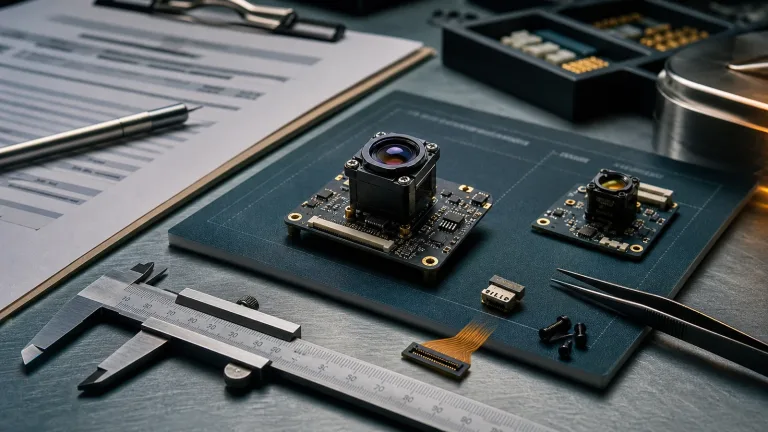
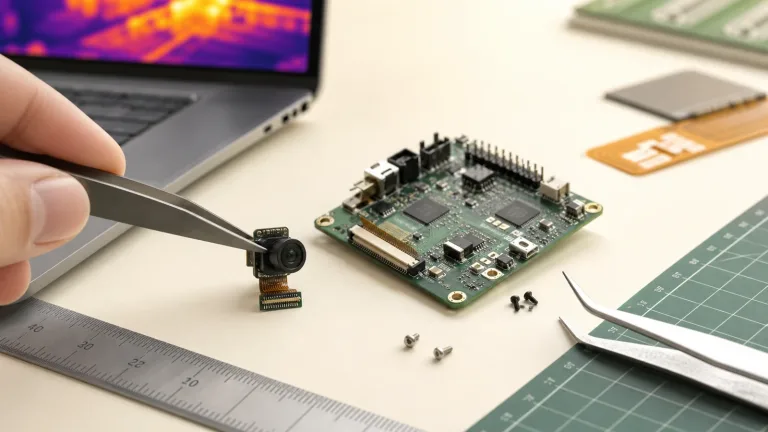
The first buyer mistake is treating the aircraft, payload, thermal core, video interface, and documentation file as one fixed object. A finished drone bundle can be the fastest route to an immediate flight. A modular payload can make more sense when the aircraft fleet is already chosen. A compact module such as Camcuda’s HR21-L612-USB 640×512 Uncooled LWIR Thermal Imaging Module is a different decision: it belongs inside a payload, gimbal, handheld device, robotics head, or embedded inspection system.
Professional drone suppliers frame thermal drones around field missions for a reason. Teledyne FLIR’s SIRAS product framing connects thermal and visible payloads with industrial and utility inspection work, not just sensor resolution, and the FAA commercial UAS guidance reminds operators that flight rules, records, and safe operation still sit around the equipment choice. For an engineering buyer, that means a thermal drone quote should answer operational questions as well as optical ones.
Six reliable questions before the purchase order
1. Is the buyer paying for a drone, a payload, or a module?
When teams search thermal drones for sale, the shortlist often mixes three categories. A ready-to-fly drone includes aircraft, controller, battery workflow, visible camera, thermal payload, software, and support package. A payload is the sensing head that attaches to an aircraft platform. A module is the thermal core that an OEM or integrator builds into their own payload. The RFQ should state which one is being bought.
A simple way to avoid confusion is to write the sentence, “We need the thermal path to be replaceable at the module/payload/aircraft level.” Only one of those words should be primary. If engineering circles “module” and procurement circles “complete drone,” the quote will drift before anyone notices.
2. What does the pilot or host computer need to see?
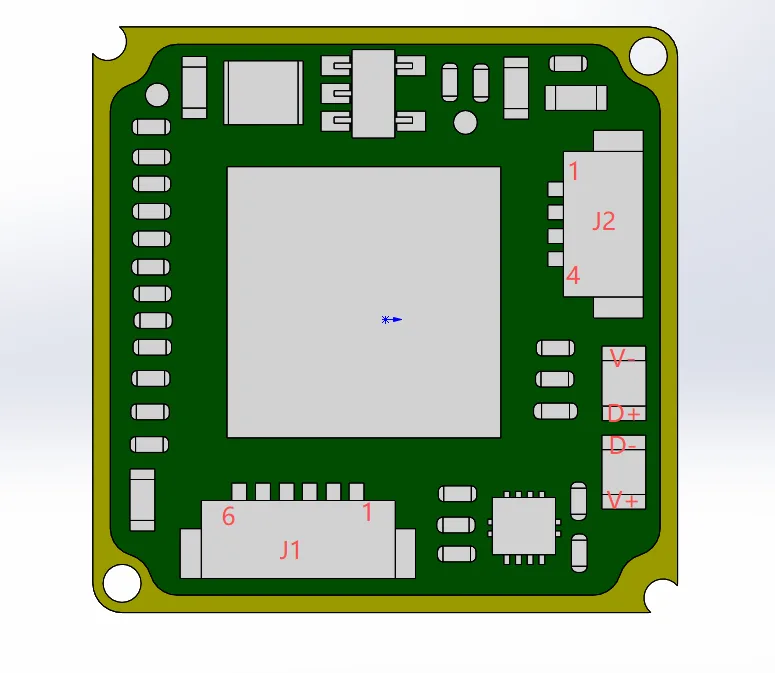
Thermal video is not only a sensor output. It is a viewing path. A pilot may need low-latency analog video, a USB feed for a host computer, or an embedded video path for onboard processing. Camcuda modules can support USB, MIPI, DVP, RS-422, and CVBS paths depending on family and configuration. For the HR21-L612-USB, public product data lists USB video, USB serial communication, RS-422, and CVBS analog output on applicable configurations; confirm during RFQ.
This is where forum-style buyer questions are useful, even when the exact hardware differs. Drone builders often ask whether analog video can connect to an existing VTX, recorder, or pilot display. That buyer language should be paraphrased into a professional RFQ: required output, latency expectation, host device, connector constraints, and whether CVBS analog output is needed on the applicable configuration.
3. Can the payload survive the real weight and bracket budget?
A finished thermal drone listing may hide the mechanical compromise. For module-level work, the HR21-L612-USB starts from a genuinely compact 21 mm x 21 mm x 20.2 mm body and <15 g module weight. That is small enough to change a payload conversation, but it does not remove the need to count lens, bracket, board, cable, damping, weather protection, and service access.
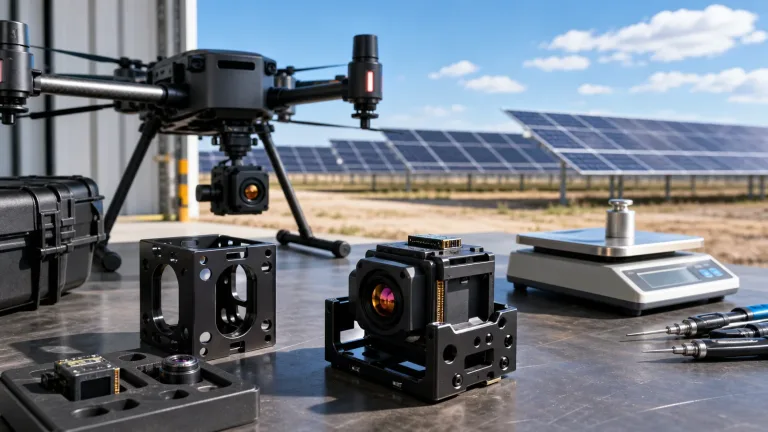
Teams looking at thermal drones for sale often compare headline aircraft weight. OEM teams should also compare the payload stack: thermal module, visible sensor if used, controller board, cable exits, enclosure, and mounting hardware. The difference matters when a compact module is being fitted into a small gimbal or outdoor inspection head.
4. Does the use case need repeatable procurement documentation?
North America and Europe buyers frequently need more than a product page. They may need datasheets, drawings, interface notes, CE/RoHS/ISO-related documentation where applicable, and procurement statements. Camcuda can provide an NDAA statement available on request for buyers who require procurement or compliance documentation. Do not treat that as a blanket certification claim; confirm the document package during RFQ for the specific configuration, destination, and use case.
5. Will the thermal data be reviewed after the flight?
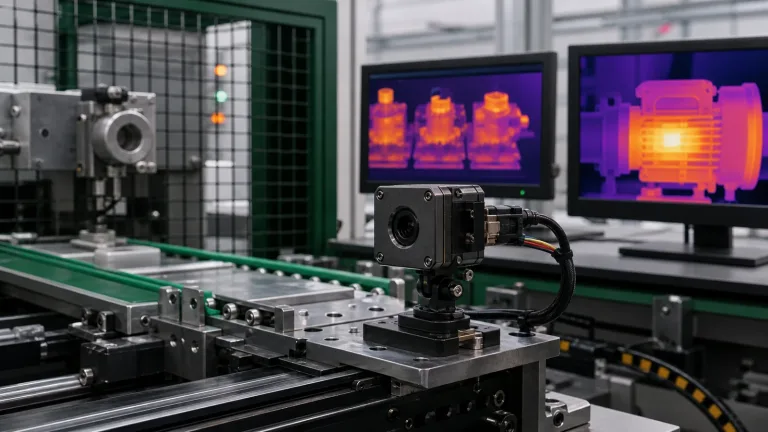
NVIDIA’s recent edge and physical-AI writing puts inspection, robotics, and industrial automation into a system frame: sensors feed decisions, not just screens. Micron’s smart manufacturing computer-vision coverage makes a similar point from the manufacturing side, where imaging data must be reliable enough for repeatable decisions. For thermal drone buyers, the practical question is whether the project needs only live visibility or also stored evidence, host-side analysis, and consistent data handoff.
If the answer includes AI-assisted inspection, asset history, or post-flight reporting, the RFQ should describe the host computer, data path, frame expectations, and integration environment before a sample is ordered.
6. Which application page matches the deployment?
For UAV-specific payload work, Camcuda’s drone thermal camera application page is the natural next step because it focuses on thermal camera paths for UAV inspection and payload integration. If the work is a fixed yard, perimeter, outdoor utility, or field-service workflow, the outdoor field thermal imaging application page gives the buyer a better context. In either case, the application should shape the RFQ before the price discussion.
Selection chart: ready drone, payload, or compact thermal module?
| Buying route | Best fit | Watch the trade-off | RFQ detail to write down |
|---|---|---|---|
| Ready thermal drone | Fast inspection start, limited engineering resources, one-off field team | Less control over module sourcing, video path, and future payload changes | Aircraft model, support region, pilot display, batteries, operating rules, data export |
| Thermal payload | Existing aircraft fleet or integrator building a repeatable service package | Mounting, gimbal, power, and communication may still need custom work | Payload envelope, aircraft interface, target mission, visible/thermal pairing, documentation |
| Compact thermal module | OEM payload, robotics, embedded vision, custom outdoor inspection device | Requires mechanical, electrical, firmware, and procurement coordination | Module dimensions, lens/FOV, USB/CVBS/RS-422 requirements, host board, NDAA statement request |
thermal drones for sale buyers should check these HR21-L612-USB facts
The HR21-L612-USB is the current WooCommerce Featured product source for this article. It is relevant when a buyer searching thermal drones for sale realizes the project needs a compact module for a drone payload or OEM device rather than a retail drone kit.
| Product | HR21-L612-USB 640×512 Uncooled LWIR Thermal Imaging Module |
|---|---|
| Detector | Vanadium oxide uncooled infrared focal plane detector |
| Resolution | 640 x 512 |
| Pixel pitch | 12 um |
| Spectral range | 8-14 um |
| NETD | <=40 mK @ 25 C, F#1.0 |
| Detector frame rate | 50 Hz |
| Video and communication | USB video, USB serial communication, 1 x RS-422; CVBS analog output on applicable configurations, confirm during RFQ |
| Power | 5 V +/-0.5 V; <1.2 W typical power consumption including expansion board at 25 C |
| Mechanical | 21 mm x 21 mm x 20.2 mm; <15 g |
| Environment | -40 C to +85 C operating temperature; 5%-95% non-condensing humidity |
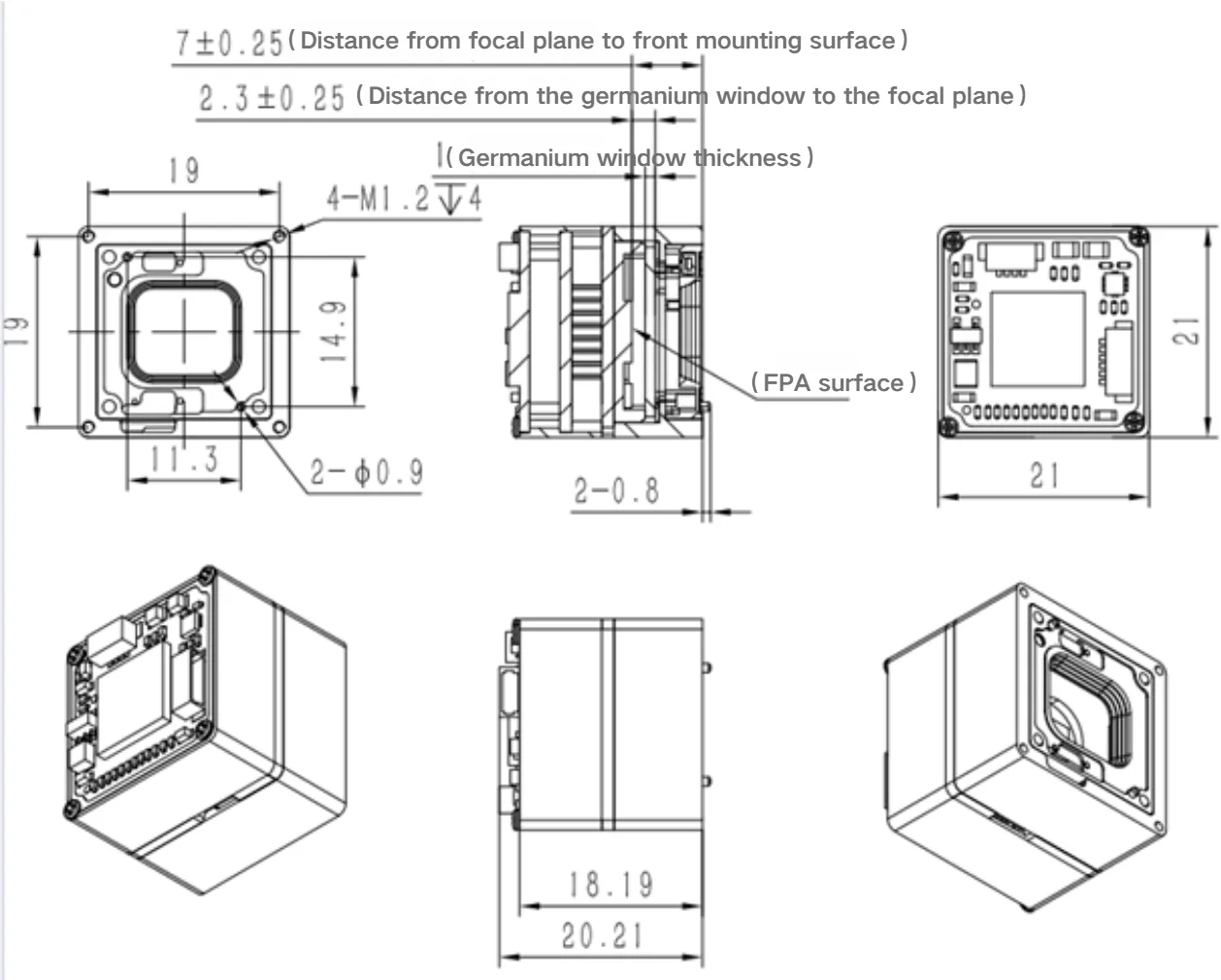
Buyers comparing thermal imaging cores and thermal modules should keep the product page, drawings, and interface notes in the same RFQ folder. A compact module can reduce payload mass, but the final system still depends on lens choice, host platform, power, enclosure, and deployment conditions.
Application case: the utility-yard demo that changed the RFQ
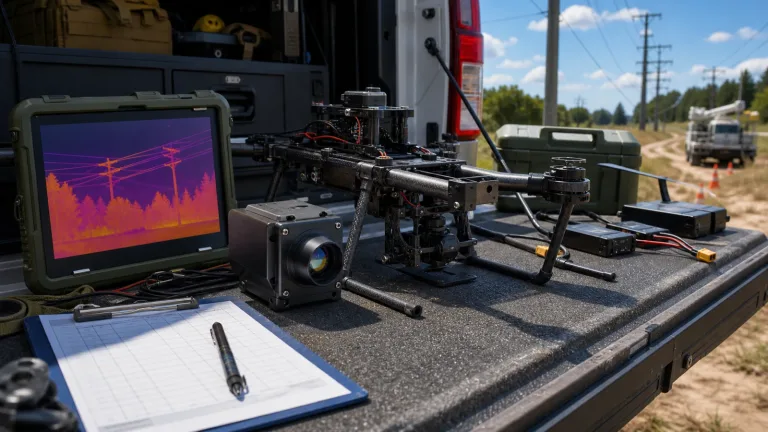
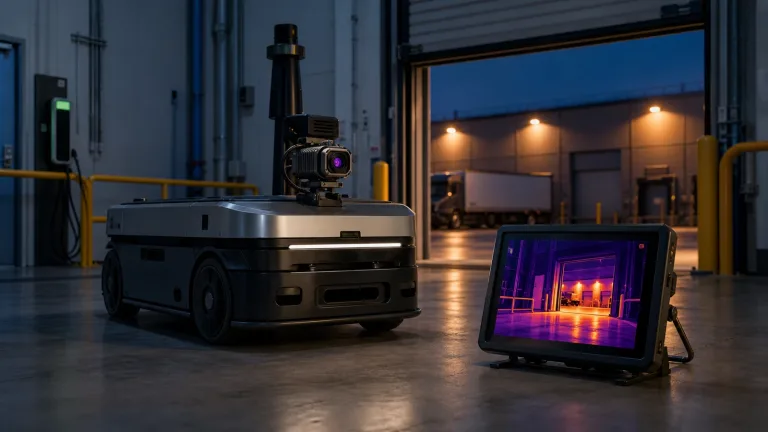
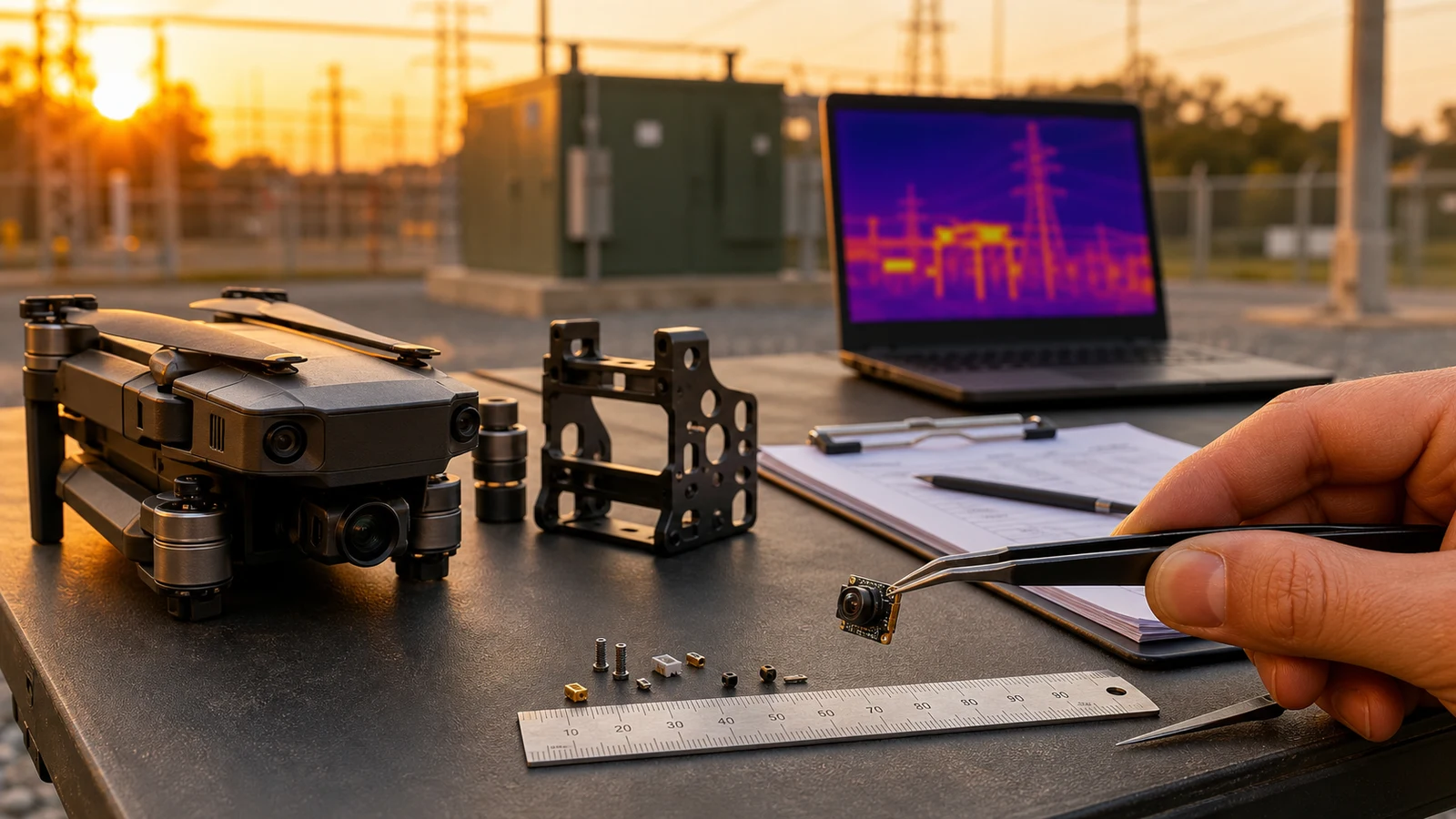
A service company evaluates thermal drones for sale for substation inspection. The first demo uses a complete thermal drone and the image looks good. Procurement wants the same bundle for three regions. Engineering pauses because two aircraft fleets are already in use, one region needs a different pilot display, and the field team wants thermal evidence exported into a maintenance report.
The better RFQ splits the problem. Region one can buy a ready drone because speed matters. Region two needs a payload path that fits the existing aircraft. The OEM pilot project asks Camcuda about a compact LWIR module, USB video for host capture, CVBS analog output on applicable configurations for low-latency monitoring, RS-422 control, drawings, and NDAA statement availability on request.
That is a more useful conversation than asking for “the best thermal drone.” It gives the supplier enough context to discuss module fit, documentation, and sample acceptance without pretending every application needs the same hardware package.
Common mistakes when shopping thermal drones for sale
- Buying the aircraft before defining the thermal video path. The pilot display, host computer, recorder, or analog VTX requirement can change the module configuration.
- Assuming every interface is included by default. Ask for USB, MIPI, DVP, RS-422, or CVBS only where the module family and configuration support it. Confirm during RFQ.
- Ignoring the small hardware around a compact module. A 21 mm module still needs lens clearance, mounting, cable exit, power, and service access.
- Treating compliance wording as a product feature. NDAA statement availability, CE/RoHS/ISO-related documents, drawings, and order paperwork should be requested and reviewed for the exact configuration.
- Comparing only advertised resolution. Resolution matters, but NETD, frame rate, lens/FOV, video output, mechanical fit, and field workflow decide whether the system is usable.
RFQ checklist for a better first quote
| RFQ line | What to include |
|---|---|
| Buying route | Ready drone, payload, or module-level integration |
| Application | Utility inspection, outdoor monitoring, field service, security, agriculture, robotics, or OEM device |
| Aircraft or host | Drone model, payload bracket, host processor, enclosure, or display/recorder |
| Thermal requirement | Resolution, lens/FOV target, frame requirement, viewing distance, and inspection object |
| Interface | USB video, USB serial, RS-422, CVBS analog output on applicable configurations, or other required path |
| Mechanical | Available envelope, weight budget, connector direction, vibration/shock expectations, service access |
| Documentation | Datasheet, drawing, interface reference, compliance documents where applicable, NDAA statement available on request |
| Sample acceptance | What must be proven before repeat order: image path, mounting, host capture, field workflow, documentation |
Turn the drone search into a payload RFQ
If your team is comparing thermal drones for sale but the real need is a compact thermal payload or OEM module, start with the HR21-L612-USB product data and send Camcuda the aircraft, host, video path, mechanical envelope, and documentation requirements.
View the HR21-L612-USB module | Check support downloads | Request an engineering quote
FAQ
Are thermal drones for sale always the right choice for an inspection team?
No. thermal drones for sale can be right for a team that needs a complete aircraft quickly. A payload or compact module can be better when the aircraft is already chosen, the video path is custom, or the buyer needs repeatable OEM sourcing.
When should we choose a compact thermal module instead of a finished drone?
Choose a module-level path when you are building a payload, embedded device, robotics sensor, or outdoor inspection product and need control over size, interface, documentation, and host integration.
Does the HR21-L612-USB fit small drone payload projects?
It is designed as a compact LWIR module with 21 mm x 21 mm x 20.2 mm dimensions and <15 g module weight. Final fit still depends on lens, bracket, cable routing, enclosure, host board, and aircraft payload budget.
Can Camcuda support CVBS analog video for drone monitoring?
Camcuda thermal imaging modules can support CVBS analog output on applicable configurations. For HR21-L612-USB projects, confirm CVBS output during RFQ together with USB video, USB serial, RS-422, host device, and display or transmitter requirements.
What should we ask before buying a thermal drone bundle?
Ask what level is replaceable: aircraft, payload, or module. Also ask about video output, host capture, lens/FOV, payload weight, documents, support region, and repeat-order availability.
Do we need an NDAA statement for a thermal drone project?
Some North America procurement, security monitoring, utility inspection, or government-adjacent buyers may request one. Camcuda can provide an NDAA statement available on request, and the requirement should be confirmed during RFQ for the exact configuration and use case.
Is 640 x 512 enough for UAV thermal inspection?
640 x 512 is a common high-value resolution for UAV thermal payload evaluation, but suitability depends on lens/FOV, target size, distance, reporting workflow, and environmental conditions. Ask for application matching rather than resolution alone.
What is the most common late-stage mistake?
The common mistake is choosing the visible aircraft package first and discovering later that the thermal video output, connector direction, mounting envelope, or documentation package does not match the real deployment.
Where should a buyer start on Camcuda.com?
Start with the HR21-L612-USB product page for module facts, then review drone and outdoor application pages. If the project is still broad, compare the thermal imaging cores and thermal modules categories before sending the RFQ.