Thermal module buying guide / OEM & volume supply
Find your thermal core. Build with confidence.
Compare the current SuperMini, AeroMini, CAMCUDA FlexMini 640 and specialist LWIR modules in one place. Choose your lens and imaging path, evaluate a sample, then request configuration-specific production pricing.
Configuration-specific specifications · Sample to volume
Product selection
Current thermal imaging modules
Start with the three priority cores, then explore CVBS, higher-resolution and compact embedded options. View current sample prices or request a quotation for your selected configuration.
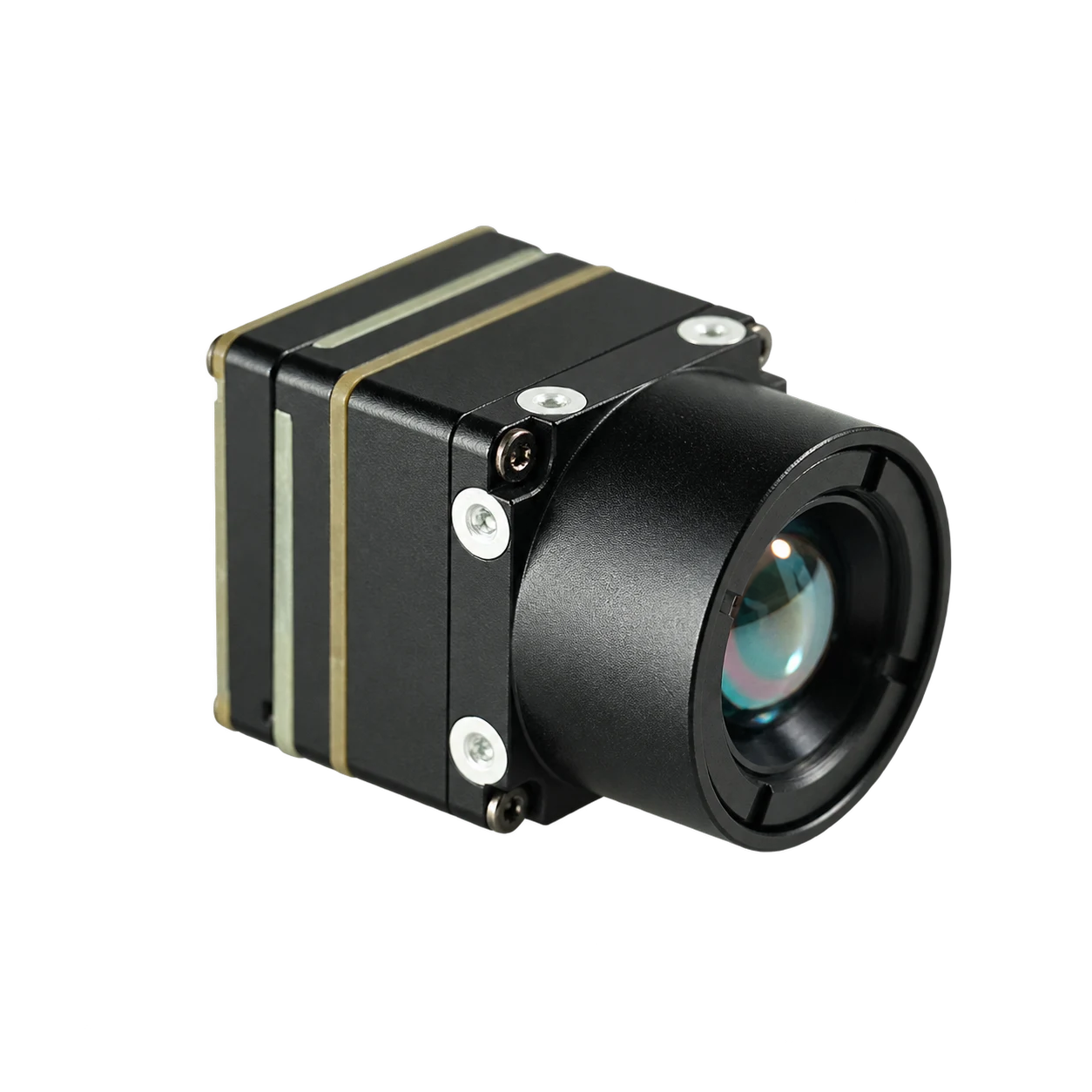
CAMCUDA SuperMini 640 / 640T
A 640 × 512 core measuring 13 × 13 × 13.4 mm, with core-only mass under 3.5 g, excluding the lens and expansion boards. Choose 640 imaging or 640T thermography.
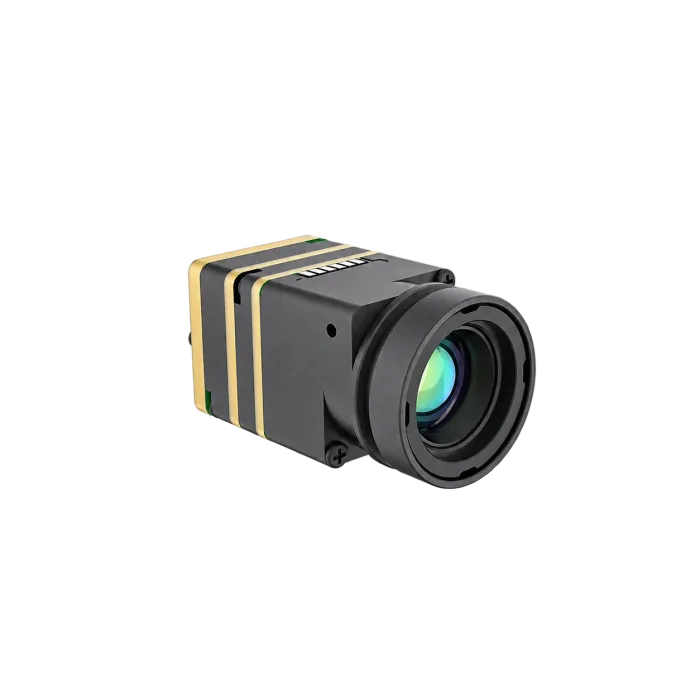
CAMCUDA AeroMini 640
Compact 640 × 512 non-radiometric LWIR USB camera core for drone payloads, DJI-type platforms and custom gimbals. Eight production lens options.
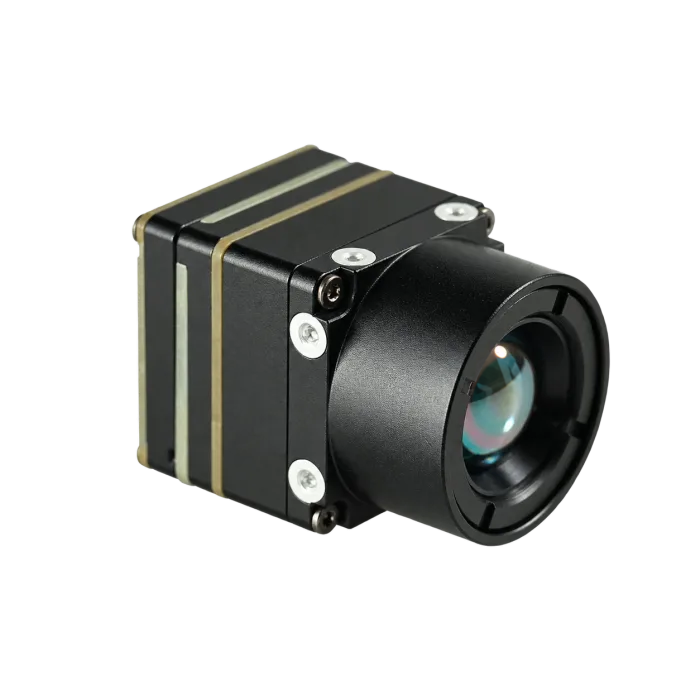
CAMCUDA FlexMini 640
640 × 512 imaging with 12 μm pixels at 50 Hz. Select a CVBS, USB UVC or MIPI output path for your configuration. Custom focal lengths are available for orders over 100 units.
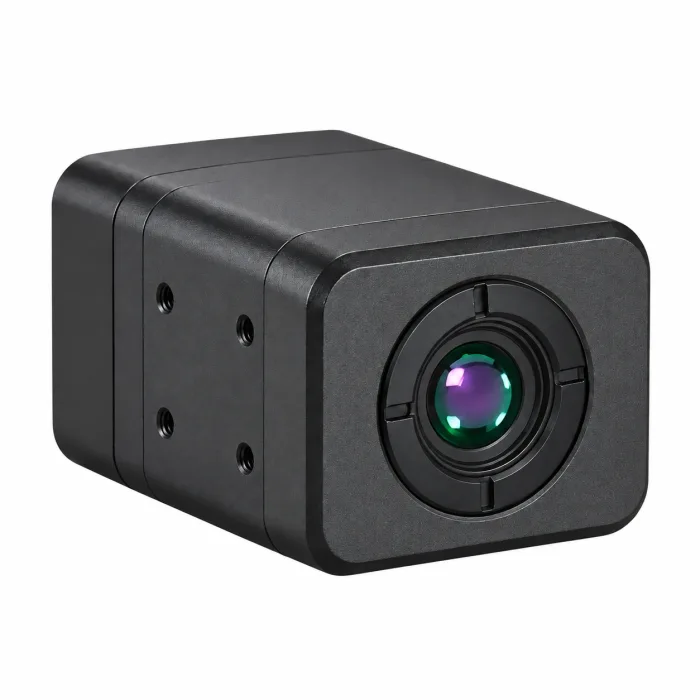
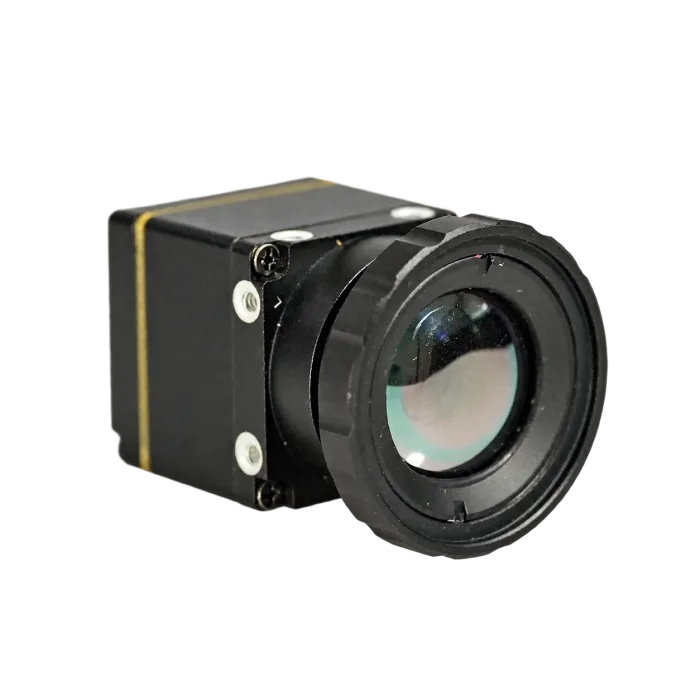
CAMCUDA W640-TIF-K1
A 640 × 512 thermal module for analog CVBS integration. Explore the 9 mm lens configuration and review output and mechanical requirements for your build.
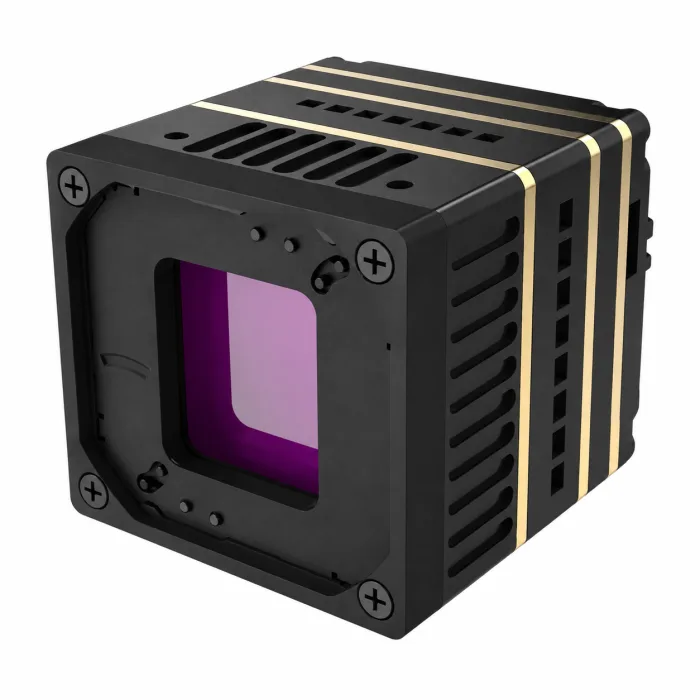
CAMCUDA HR-1280 High-Resolution LWIR Thermal Camera Module
HR-1280 is a 1280x1024 uncooled VOx LWIR thermal imaging module for OEM imaging, thermal drone payload evaluation, outdoor monitoring, and industrial inspection projects that need high-resolution thermal output and interface review.
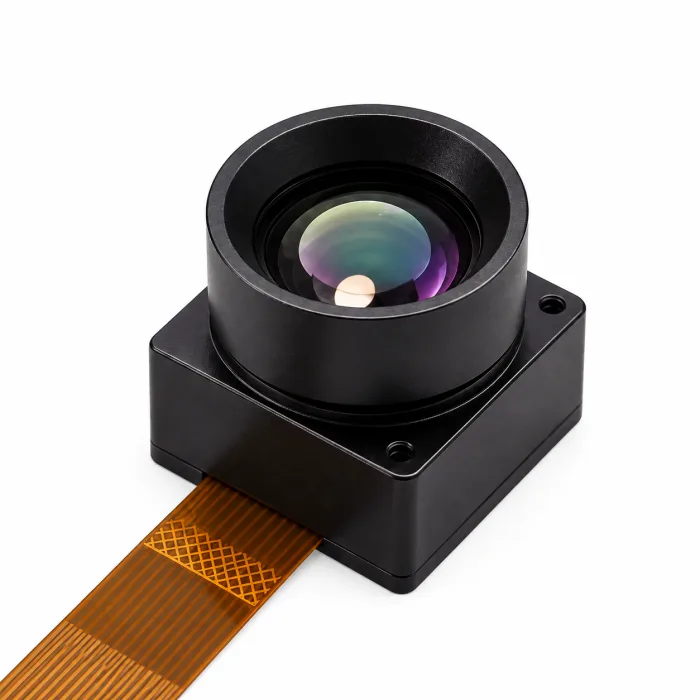
CAMCUDA TC160-NF 160 LWIR Thermal Camera Module
TC160-NF is a compact 160 x 120 uncooled LWIR thermal imaging module for embedded thermal sensing, narrow-FOV monitoring, smart-device integration, and OEM thermal systems. It supports SPI host integration, 3.3 V…
Selection guide
Three priority cores. Three clear starting points.
SuperMini · Weight first
640 × 512 / 8 μm, with a 13 × 13 × 13.4 mm core and under 3.5 g core-only mass. Choose 640 imaging or 640T thermography; optics and expansion boards add size and weight.
AeroMini · UAV integration
A compact 640 × 512 thermal core. Non-radiometric: 60 Hz default, optional 30 Hz factory configuration; 4, 7, 9, 13, 18, 25, 35 and 50 mm lenses. Radiometric: 25 Hz, availability enquiry only. Confirm the selected version and interface.
CAMCUDA FlexMini 640 · OEM optics & MIPI
640 × 512 / 12 μm / 50 Hz, with CVBS, USB UVC or MIPI output paths by configuration. Orders over 100 units can include agreed custom focal lengths.
| Core | Imaging path | Main decision |
|---|---|---|
| SuperMini 640 / 640T | 640 × 512 / 8 μm 640: 50 Hz imaging 640T: 30 Hz thermography | Core-only mass under 3.5 g; confirm lens and expansion-board assembly |
| AeroMini 640 | 640 × 512 Non-radiometric: 60 Hz default; optional 30 Hz factory configuration Radiometric: 25 Hz; availability enquiry only | Eight non-radiometric lenses, 4–50 mm. Radiometric: 9 / 13 / 18 mm; interface to be confirmed. |
| CAMCUDA FlexMini 640 | 640 × 512 / 12 μm / 50 Hz CVBS / USB UVC / MIPI by configuration | OEM core with MIPI path; confirm optics and production interface |
Project checklist
Confirm the details that change the result.
Lens and field of view
Choose scene width and working distance first. Lens options and prices are listed per model and per configuration. Every quotation states the exact lens and SKU.
Imaging or thermography
AeroMini offers non-radiometric imaging and a 25 Hz radiometric enquiry option. SuperMini 640 is for imaging and SuperMini 640T for thermography. Confirm the selected version, lens and interface for your application.
Interface package
Each configuration ships with one defined output path. We confirm connector, interface board, cable and firmware with you before production.
Sample to production
Evaluate the selected configuration, then scale with the same defined SKU, lens and interface. Share the quantity, destination and schedule for a production quotation.
Hong Kong payment & dispatch
From sample evaluation to production.
10,000-unit production program
AeroMini 640 · 9 mm
US$335 per unit
Standard non-radiometric configuration with a 9 mm lens. A competitive volume reference for planned OEM production.
Our product specialist will confirm the interface package, production schedule, payment and delivery terms in your formal quotation.
Discuss your 10,000-unit program →100+ / 1000+ units
Volume quotations are issued per configuration, lens and interface, and are valid for the period stated on the quote.
Custom CAMCUDA FlexMini 640 optics
Custom focal lengths (including 4.1 mm and 4.9 mm) are available for orders over 100 units. Lead time is stated in your quotation.
Hong Kong fulfillment
Your quotation specifies the beneficiary, currency, payment terms and dispatch route, with freight, taxes, production time and international transit itemized for your order.
Sample / OEM / Volume RFQ
Tell us what you need to see.
Send the selected product, application, lens or viewing distance, host interface, size and power limits, quantity, destination and schedule. For thermography, include the measurement requirements. We will confirm the configuration and quotation.
Civilian and commercial end use only. We do not supply military end users.
FAQ
Questions before you choose.
Which thermal module should I start with?
Start with SuperMini for core weight, AeroMini for compact USB UAV imaging, or CAMCUDA FlexMini 640 for OEM optics and a MIPI output path. We help match the lens, interface and imaging or thermography requirements to your project.
Are current sample prices shown here?
Yes. Each product page lists the sample price and stock status for every configuration. Options marked “Request pricing” are quoted on request. SuperMini 640 / 640T is offered with sample price on request; send your selected model and interface for a quotation.
Can I order 100 or more units online?
Orders of 100 or more units follow our quotation process. Send the selected module, lens, interface, quantity, destination and schedule for configuration-specific pricing.
Can payment and dispatch be arranged through Hong Kong?
Yes. Your quotation specifies the beneficiary, currency, payment method, dispatch route and destination requirements, with production lead time and international transit shown separately.
AEROMINI 640 · VISIBLE LIGHT & THERMAL IMAGING
See rain droplets on clothing.
Rain droplets on clothing, seen in thermal and visible light.
Explore AeroMini 640Rain droplets and wet areas produce the visible spot pattern in this thermal image; no temperature values are inferred. Faces anonymized for privacy.
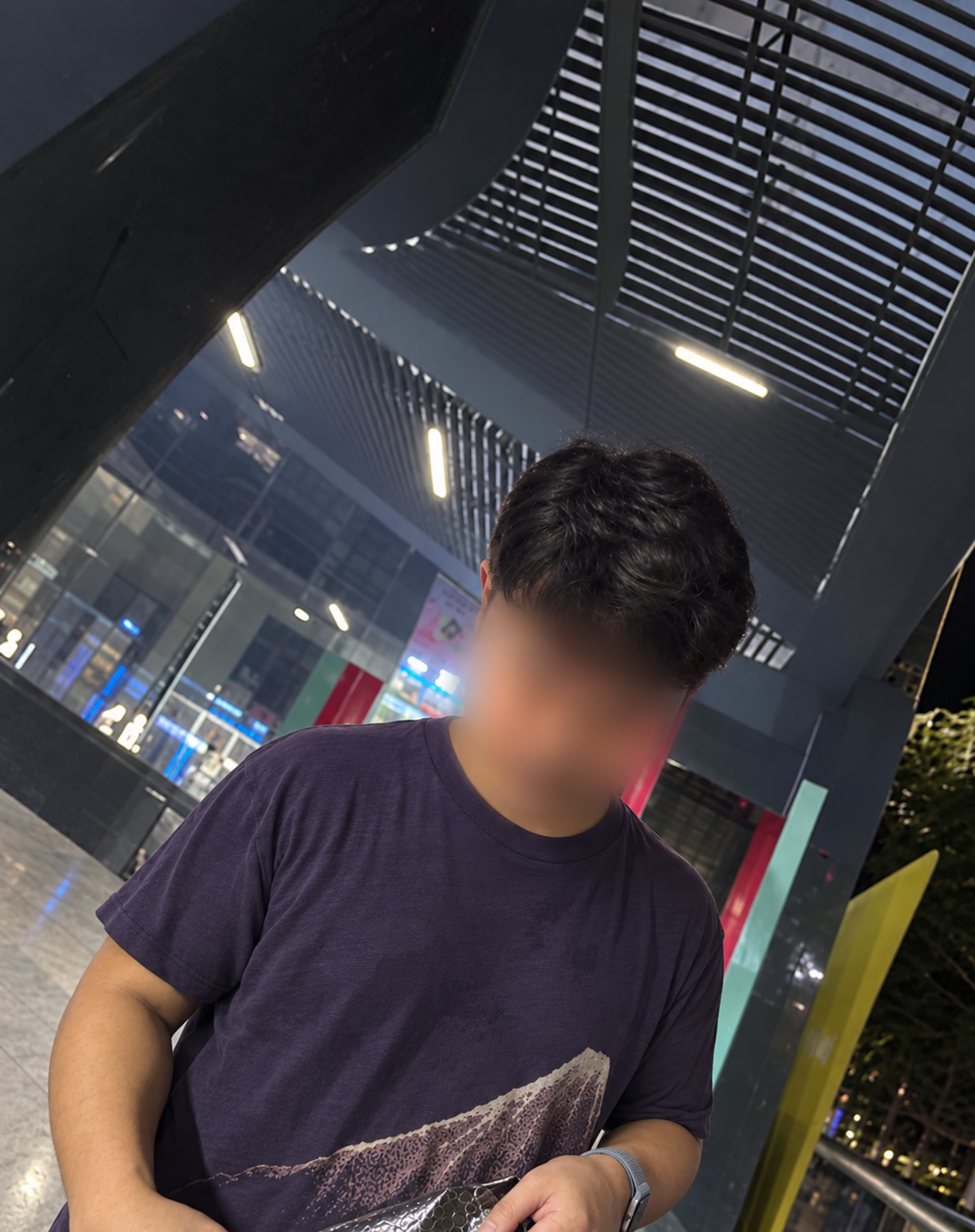 Corresponding clothing area
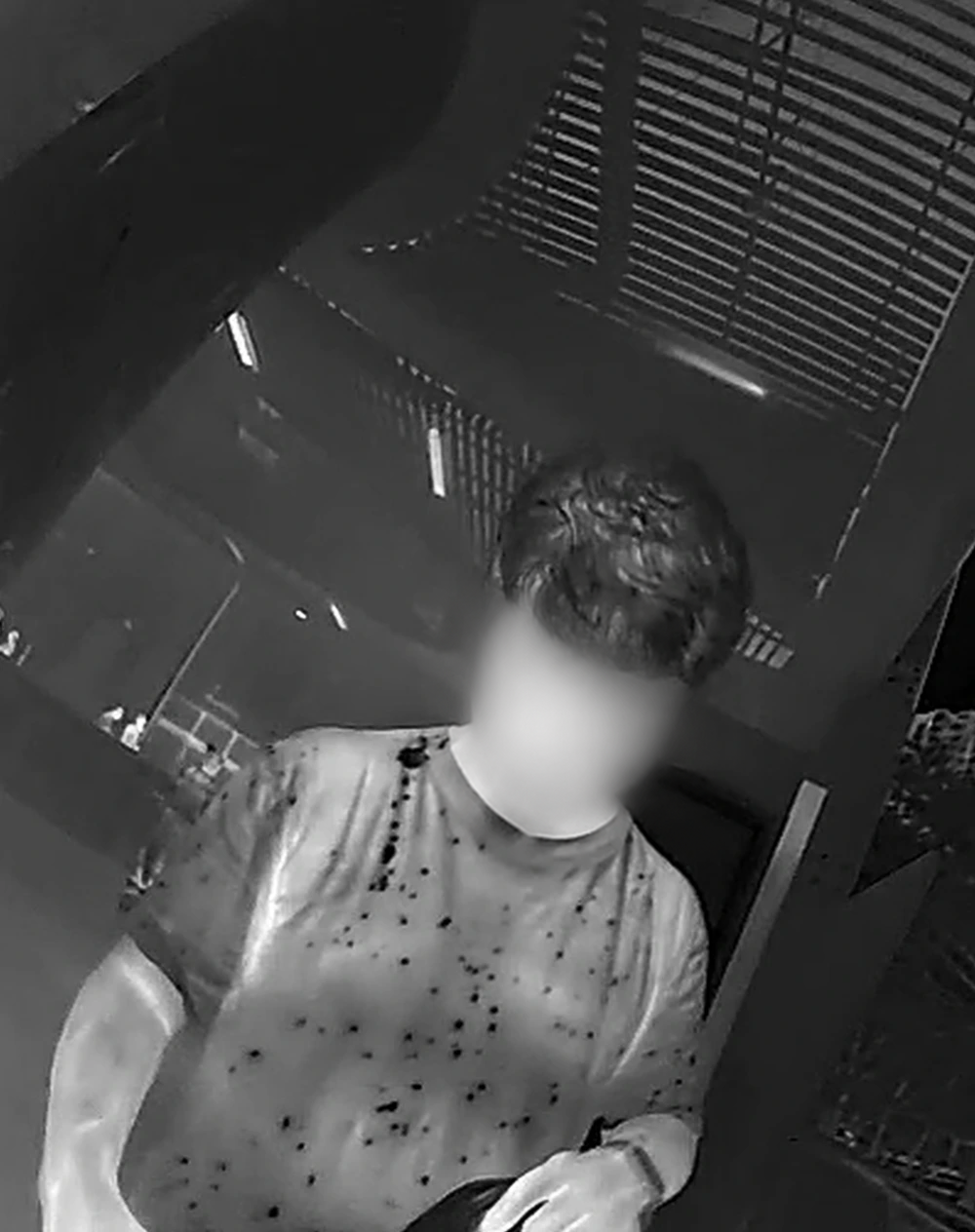 Rain droplets & wet areas
Drag to compare · Use arrow keys for precise control
Supplier review, made clear
A registered Hong Kong supplier you can verify.
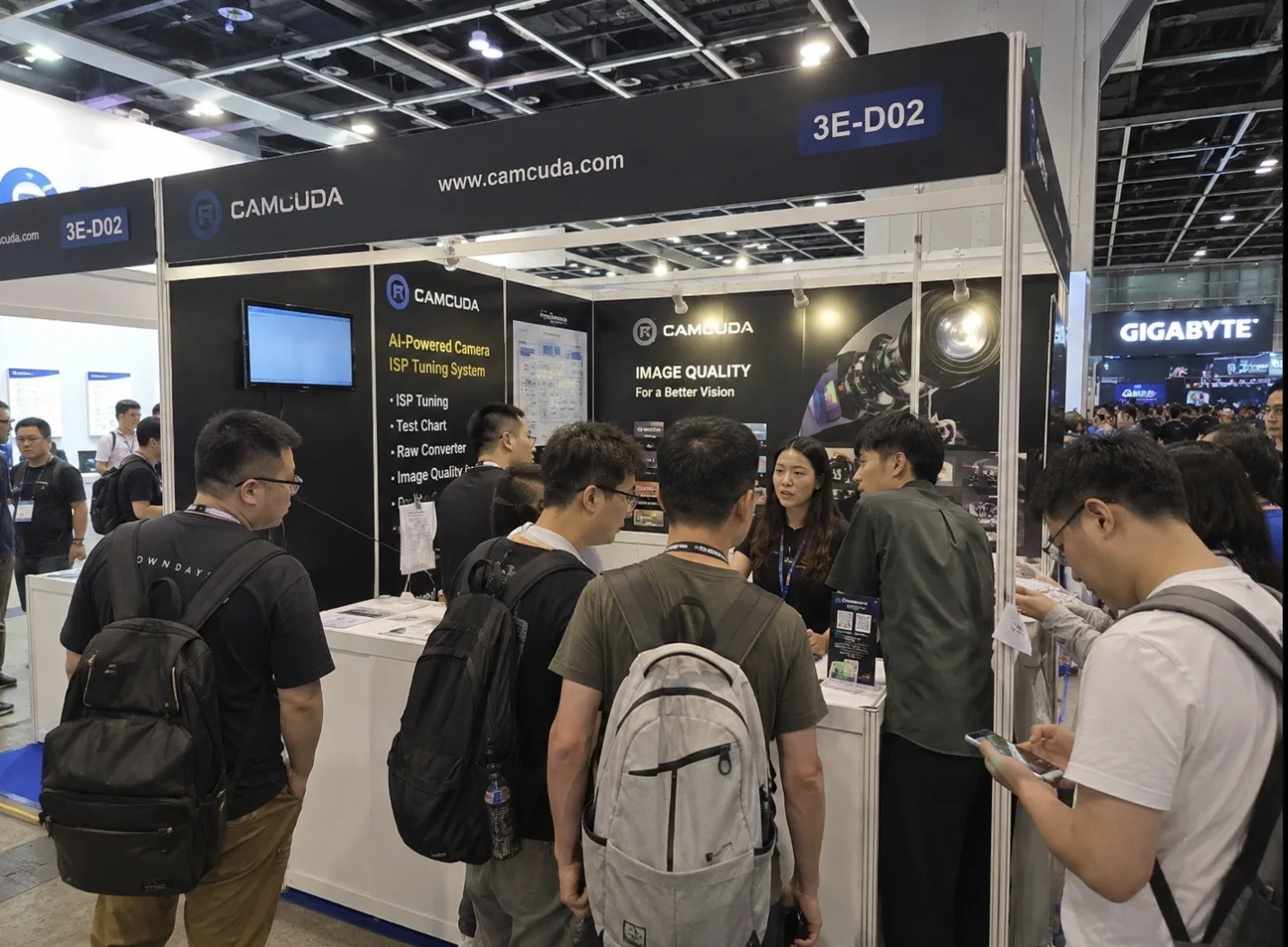
Review our company registration details and exhibition photograph. Contact us for the documents relevant to your supplier review.
Request company verificationCompany registration information
CAMCUDA is the thermal-imaging product brand of Robocuda Limited. Company details are provided for procurement verification.
- Hong Kong Business Registration No.
- 78737025
- Registered address
- Unit 9, 1/F, The Cloud, 111 Tung Chau Street, Tai Kok Tsui, Kowloon, Hong Kong
 ROBOCUDA / CAMCUDA
02
ROBOCUDA / CAMCUDA
02
CAMCUDA at an industry event
Our exhibition booth is shown in the photograph. Contact us to discuss products, integration requirements and supplier review.
Arrange a supplier review