flir boson thermal camera core price: when the benchmark quote hides the real module decision
Procurement memo for OEM thermal module buyers
flir boson thermal camera core price: when the benchmark quote hides the real module decision
A buyer searching flir boson thermal camera core price is usually not only asking about a catalog number. The real question comes later, when an engineer has to fit a thermal core into a UAV bracket, a small enclosure, or a host board and the quote no longer explains the video path, documents, power budget, or sample risk.
Quick answer
If you are using flir boson thermal camera core price as a benchmark, compare more than the line-item price. Separate the decision into resolution, interface, physical fit, documentation, support path, and sample-order risk. For Camcuda Featured products, HR21-L612-USB is the stronger 640 x 512 UAV and high-detail module candidate, while TC160-NF is the lower-cost embedded sensing option for compact SPI host-board projects. The right RFQ should ask which module survives your enclosure, video chain, and procurement requirements, not which number looks cheapest in a spreadsheet.
Why the flir boson thermal camera core price search is incomplete
The first buyer moment is familiar. A sourcing manager has a benchmark brand in one browser tab, a drone payload drawing in another, and a request from engineering that says “find a thermal core around this class.” The flir boson thermal camera core price query feels like the shortest path to a decision. It is useful as a market reference, but it is not enough to release a purchase order.
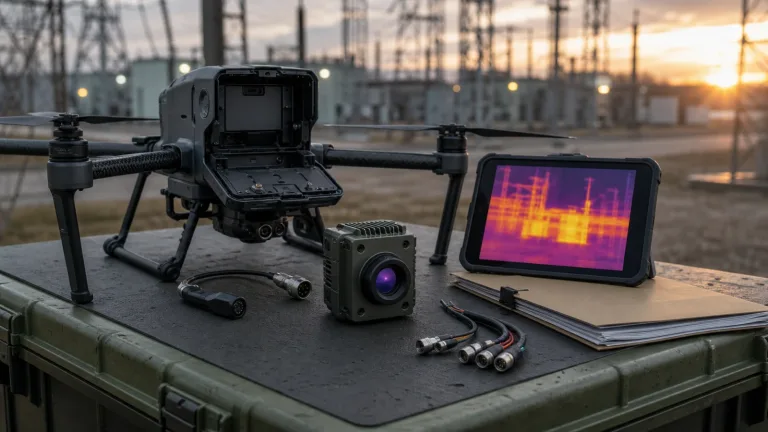
Thermal core pricing becomes meaningful only after the buyer knows what the core must do inside the system. A compact UAV payload may need 640 x 512 detail, USB video, RS-422 communication, and confirmation of CVBS analog output on applicable configurations. A small room sensor or appliance board may care more about SPI integration, low power, and a narrow field of view. The two projects can both begin with “thermal camera core price,” yet they should not end with the same product.
Current industry writing reinforces this systems view. NVIDIA’s manufacturing coverage frames vision and robotics as factory systems, not isolated sensors, because real-time inspection depends on the chain around the camera. Micron’s edge AI material makes a similar point from the data side: useful edge devices depend on how data is moved, stored, and processed near the source. Teledyne FLIR’s own drone coverage also treats thermal imaging as part of payload and mission workflow. The lesson for Camcuda buyers is simple: quote review should follow the system path.
For internal next steps, compare the Camcuda thermal imaging cores category, the uncooled thermal modules category, and the product pages before asking for a formal price. If the project involves UAV inspection or payload replacement, the drone thermal camera application page should be part of the handoff. If the deployment is a yard, perimeter, field service, or outdoor monitoring project, the outdoor field thermal imaging page is more relevant.
Selection chart: turn a price benchmark into a module decision
| Decision area | Why it changes the quote | What to ask before sample order |
|---|---|---|
| Resolution | 640 x 512 supports more detail for UAV inspection and outdoor monitoring; 160 x 120 can be sufficient for embedded sensing. | What target size, working distance, and field of view must the module cover? |
| Interface | USB, SPI, RS-422, DVP, MIPI, and CVBS analog output on applicable configurations imply different host-board and video-chain work. | Does the project need digital video, analog video, serial control, or an evaluation-board path? |
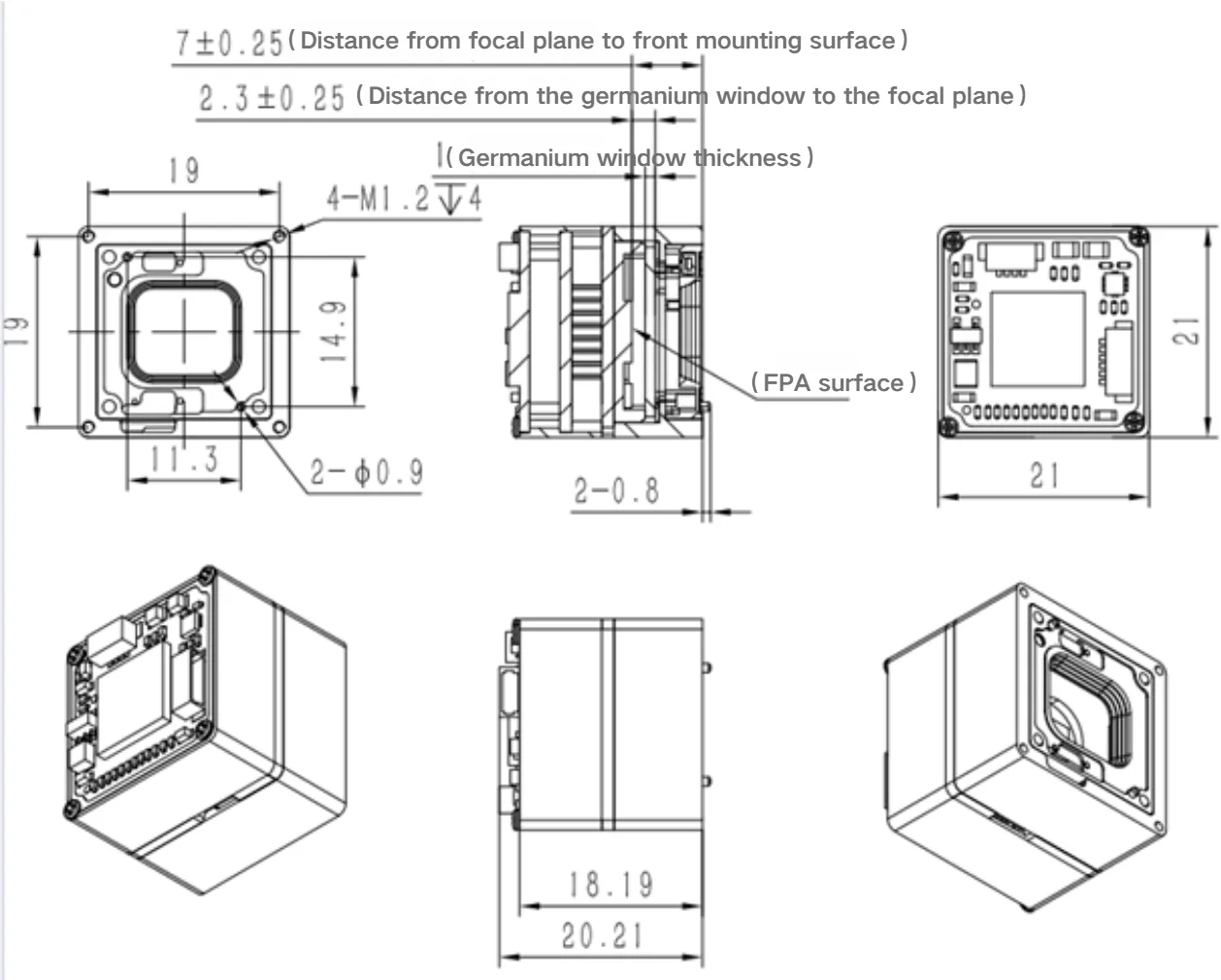
| Mechanical fit | A low quote can become expensive if the module, lens, bracket, or connector path forces enclosure redesign. | Can the supplier provide dimensions, connector notes, and mechanical drawings for review? |
| Power and heat | Payloads and sealed enclosures often fail late when power assumptions are copied from a different core class. | What supply voltage, power budget, and thermal environment should the module survive? |
| Documents | North America, security, industrial, and government-adjacent buyers often need procurement evidence, not just a sales quote. | Can Camcuda provide CE/RoHS/ISO-related materials where applicable and an NDAA statement on request? |
| Support path | The cheapest sample is risky if firmware, lens, image settings, or interface questions cannot be answered during bring-up. | Who reviews the RFQ: sales only, or sales plus engineering? |
Featured product comparison for flir boson thermal camera core price buyers
Selected product mode: dual_product_comparison. The flir boson thermal camera core price search is broad benchmark intent, and the two current WooCommerce Featured products answer different buyer paths. HR21-L612-USB is the primary high-resolution UAV and outdoor monitoring candidate. TC160-NF is the secondary lower-cost embedded sensing candidate when 160 x 120 resolution and SPI host integration are enough.
| Featured product | Best-fit buyer | Known parameters from product data | RFQ caution |
|---|---|---|---|
| HR21-L612-USB 640 x 512 Uncooled LWIR Thermal Imaging Module | UAV payload, outdoor inspection, industrial monitoring, compact high-detail thermal input | 640 x 512 VOx uncooled detector, 12 um pitch, 8-14 um, 50 Hz detector frame rate, NETD <=40 mK @ 25°C F#1.0, USB video, USB serial, 1 x RS-422, CVBS supported on applicable configurations, 5 V +/-0.5 V, <1.2 W including expansion board, <15 g, 21 mm x 21 mm x 20.2 mm | Confirm lens, CVBS output, firmware, documentation, destination market, and payload integration constraints during RFQ. |
| TC160-NF 160 x 120 Uncooled LWIR Thermal Imaging Module | Embedded thermal sensing, smart device, HVAC monitoring, compact security sensing, low-power OEM board | 160 x 120 uncooled LWIR module, 35 um detector pitch reference, 8-14 um, up to 25 FPS, 56 / 45 / 34 deg D/H/V field of view, 3.3 V supply, SPI host interface, 10-pin FPC 0.5 mm pitch reference, around 76-78 mW reference | Confirm final lens material, mechanical drawing, FPC orientation, host connector, USB evaluation path, and availability during RFQ. |
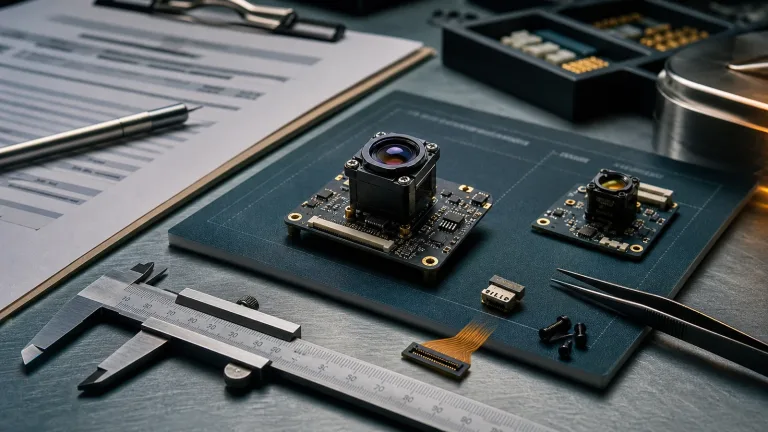
The practical trade-off is not “premium versus cheap.” It is system fit. HR21-L612-USB belongs in conversations where a 640 x 512 LWIR module, compact payload mass, USB video, serial control, and optional CVBS analog output on applicable configurations can change the project. TC160-NF belongs where the design team is building a low-power embedded sensing path and does not need high-resolution scene detail.
Application case: the quote looked fine until the video path moved
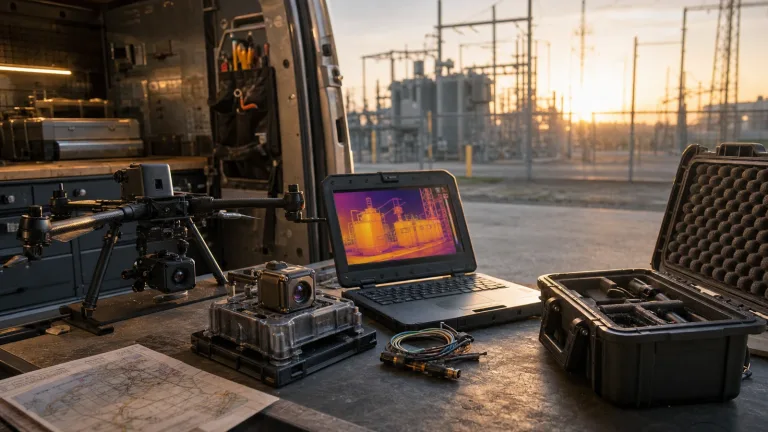
Consider a North America integrator preparing a small UAV inspection payload for utility yard checks. The prototype bracket has room for a compact module. The pilot display path is already analog because the existing transmitter and field monitor were selected months earlier. Procurement asks for a familiar benchmark, so the team starts with flir boson thermal camera core price.
The realistic mistake is waiting until after sample ordering to ask whether the analog path exists. If the module quote assumes only USB video, the team may need an extra converter board, new bracket space, more power margin, and another round of vibration review. The better RFQ names the mission first: UAV inspection, compact bracket, existing analog video chain, USB evaluation requirement, RS-422 or serial control expectation, target working distance, and document requirements.
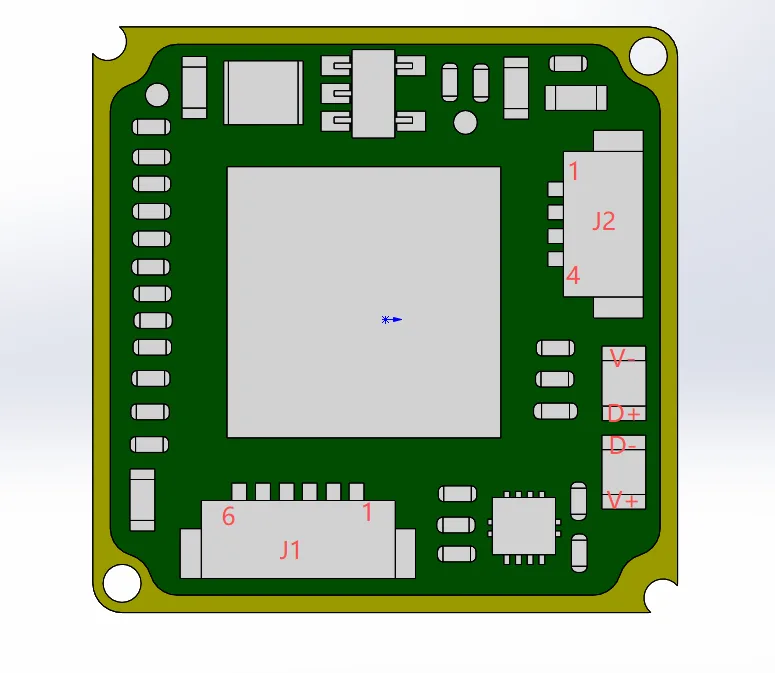
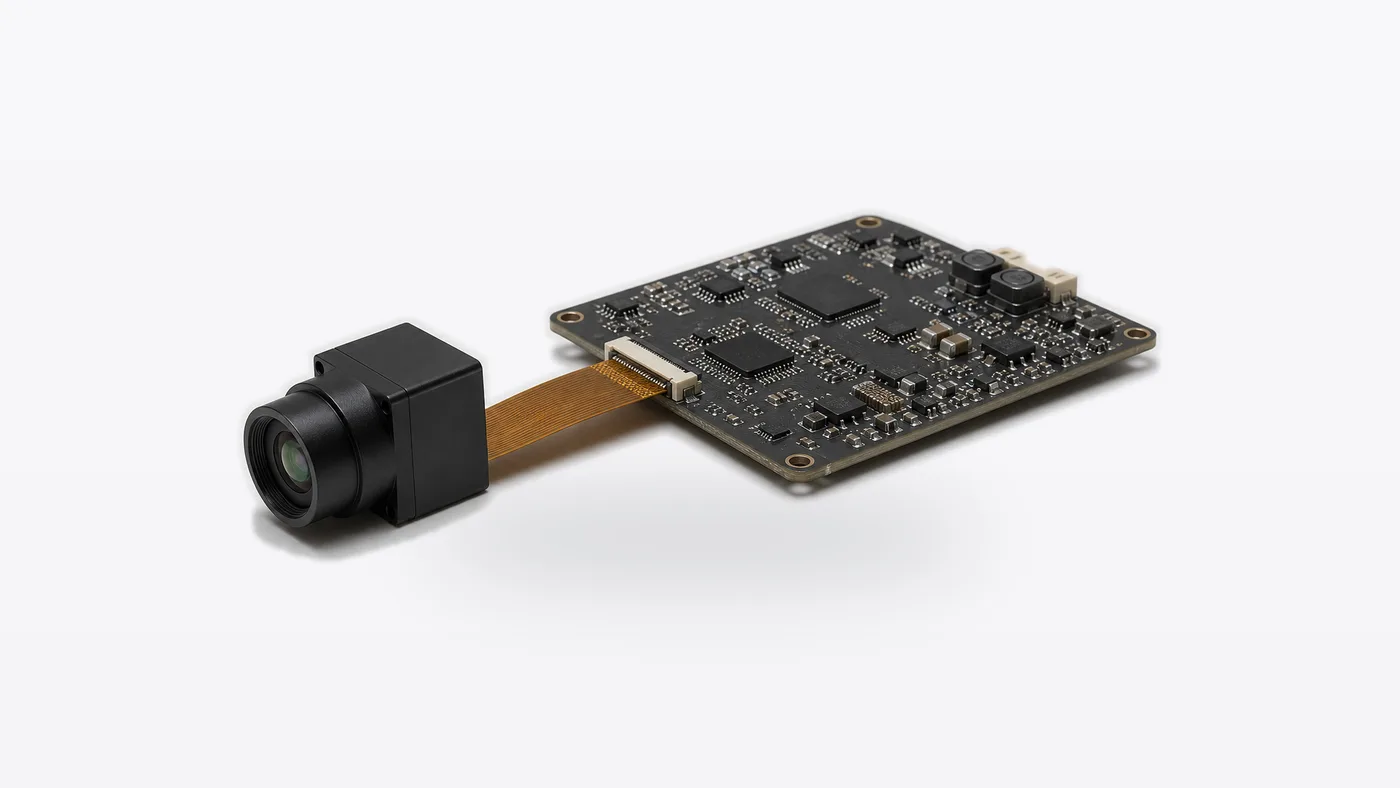
This is where HR21-L612-USB is the natural Camcuda starting point. It is a compact 640 x 512 uncooled LWIR module with USB video, USB serial communication, 1 x RS-422, and CVBS support on applicable configurations. Buyers should still confirm CVBS output during RFQ for the exact configuration. They should also request Camcuda’s NDAA statement if procurement or compliance documentation is required, along with any CE/RoHS/ISO-related materials available for the specific project.
If the same buyer is not building a UAV payload but a compact HVAC sensor, TC160-NF may be the cleaner choice. The lower resolution is not a weakness when the task is presence, heat distribution, or narrow-FOV sensing on a small host board. In that case, SPI integration, 3.3 V supply, FPC orientation, and power draw matter more than a high-resolution benchmark.
Common mistakes when a benchmark price drives the RFQ
1. Comparing detector class but ignoring the host system
A detector comparison is useful, but the host board, enclosure, processor, display, and cable path decide whether the sample can be evaluated quickly. A quote that omits the host-side assumptions is incomplete.
2. Treating CVBS as a universal checkbox
Camcuda can support CVBS analog output on applicable configurations, but buyers should not assume every module and every firmware path includes it by default. If analog video is needed for legacy displays, recorders, drone transmission, or low-latency monitoring, confirm CVBS during RFQ.
3. Forgetting documentation until procurement asks
Security monitoring, drone inspection, industrial monitoring, and North America projects may require compliance or origin-related statements. Camcuda can provide an NDAA statement on request, but the buyer should ask for the document package early rather than after engineering has chosen a sample.
4. Buying a sample before the lens/FOV question is clear
Resolution does not choose the lens. Buyers should explain target distance, scene width, enclosure limits, and image-detail expectations before assuming a quoted module will show the right field scene.
RFQ checklist for a safer thermal module price comparison
- State whether the project is UAV payload, outdoor monitoring, embedded sensing, industrial inspection, security monitoring, or another OEM device.
- List the benchmark query or reference class, including flir boson thermal camera core price if that is how the project began.
- Define the target resolution path: 640 x 512 high-detail module review or 160 x 120 embedded sensing review.
- Specify required interfaces: USB video, SPI host integration, RS-422, MIPI, DVP, or CVBS analog output on applicable configurations.
- Share mechanical limits: module envelope, bracket space, lens clearance, connector direction, vibration environment, and desired weight.
- Describe the video chain: onboard computer, analog transmitter, display, recorder, edge AI board, or GUI evaluation setup.
- Ask for mechanical drawings, electrical interface references, product specifications, and procurement documents.
- For North America or compliance-sensitive projects, request the NDAA statement together with any available CE/RoHS/ISO-related materials for buyer review.
- Send expected prototype quantity, annual quantity, destination market, and timeline so Camcuda can match the quote to a real buying path.
Send the module decision, not just the price request
If your team started with a flir boson thermal camera core price benchmark, send Camcuda the use case behind the benchmark. For UAV and outdoor work, start with HR21-L612-USB and the drone camera path. For low-power embedded sensing, compare TC160-NF. Then use the downloads and support page or contact Camcuda with your interface, lens, document, and sample requirements.
Authority references used for this buying view
NVIDIA’s discussion of AI-driven manufacturing at Hannover Messe 2026 is useful because it frames vision hardware inside real factory systems. Micron’s edge AI overview reinforces why data movement and local processing matter in compact devices. Teledyne FLIR’s SIRAS announcement shows how professional thermal drones are discussed as payload-plus-mission systems. FAA’s Part 107 summary is relevant for UAV buyers who must keep the operational environment in view while selecting hardware.
FAQ
Is flir boson thermal camera core price enough to choose a module?
No. The flir boson thermal camera core price query can provide a benchmark, but a module decision also needs interface, lens, mechanical, document, sample, and support information.
Which Camcuda Featured product is closest to a 640 x 512 UAV module requirement?
HR21-L612-USB is the natural Camcuda starting point for a compact 640 x 512 UAV or outdoor monitoring RFQ because its product data lists 640 x 512 resolution, USB video, USB serial communication, 1 x RS-422, compact dimensions, and CVBS support on applicable configurations.
When is TC160-NF a better fit than HR21-L612-USB?
TC160-NF is better when the project is low-power embedded thermal sensing and 160 x 120 resolution is sufficient. It is planned around SPI host integration, 3.3 V supply, narrow-FOV optics, and compact OEM use rather than high-resolution UAV imaging.
Does every Camcuda module include CVBS analog video?
No. Camcuda thermal imaging modules can support CVBS analog output on applicable configurations and project requirements. Buyers should confirm CVBS during RFQ for the exact model, lens, firmware, destination market, and host system.
Why does a low quote become expensive after sample order?
Late costs usually come from enclosure redesign, interface converters, lens mismatch, missing documents, host-board changes, or firmware questions that were not included in the first RFQ.
Should a drone buyer link price review to application workflow?
Yes. UAV inspection buyers should explain payload space, vibration, power, pilot display, video transmission, target distance, and document requirements. That is why the drone thermal camera application context matters before final pricing.
Can Camcuda provide an NDAA statement?
Camcuda can provide an NDAA statement on request for buyers who require procurement or compliance documentation. Confirm documentation during RFQ for the specific product, configuration, destination country, and intended use.
What should I send Camcuda if I am comparing against a benchmark price?
Send the application, benchmark class, target resolution, interface requirements, lens/FOV needs, mechanical limits, video chain, destination market, document requirements, prototype quantity, annual quantity, and timeline.
Does a higher resolution always mean a better module choice?
No. Higher resolution can help UAV inspection and detailed outdoor monitoring, but low-power embedded sensing may be better served by a smaller 160 x 120 module if the host board, FOV, and power budget fit the task.