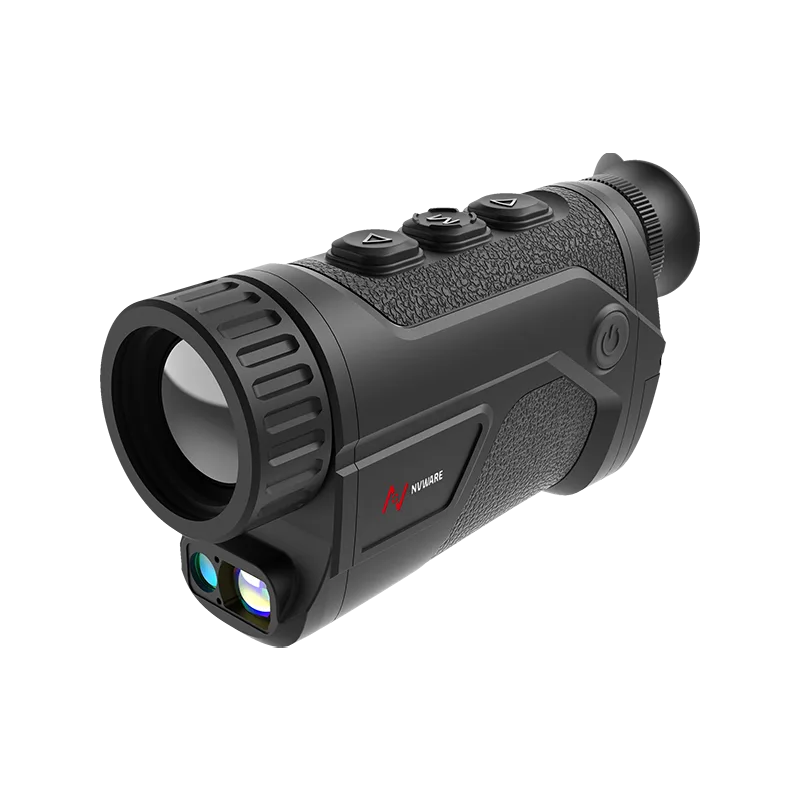
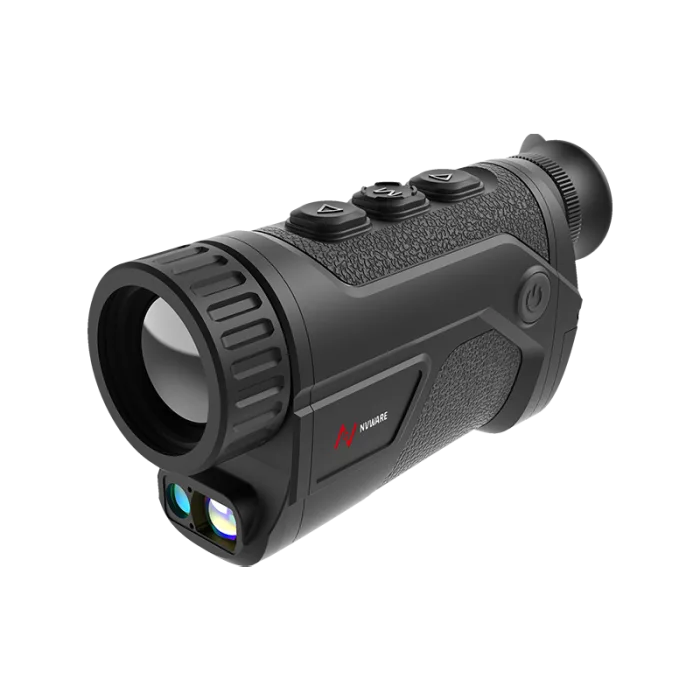
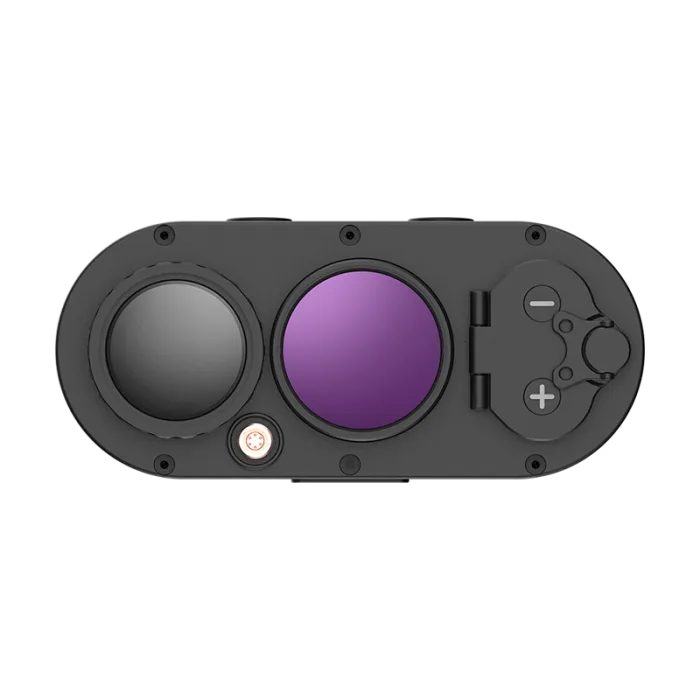
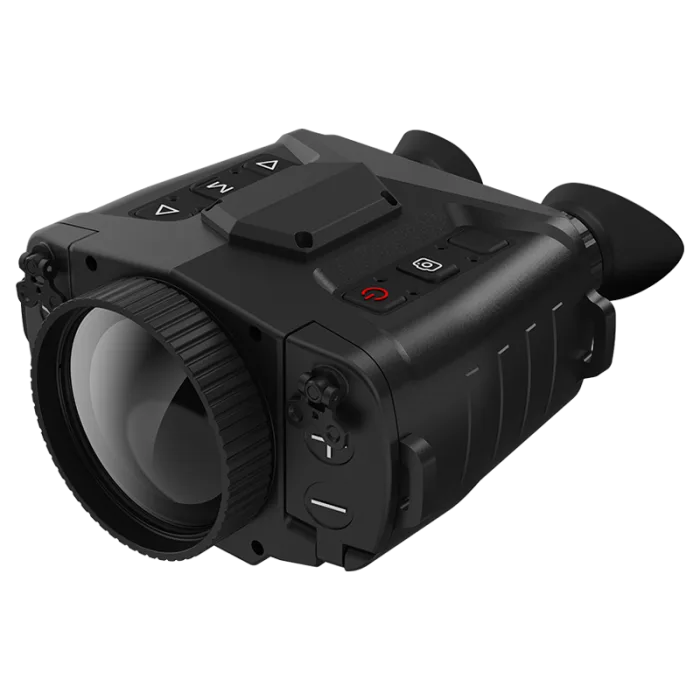
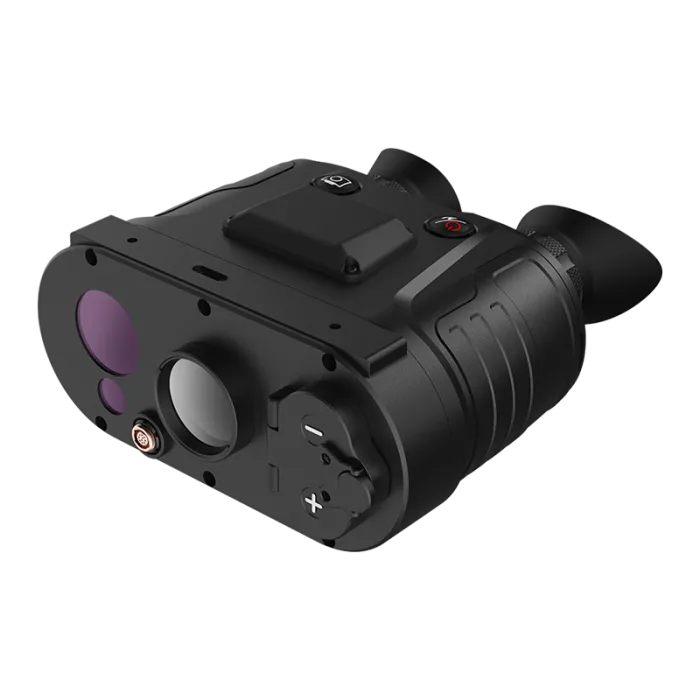
Outdoor Thermal Imaging Module Application

Outdoor thermal imaging module

Outdoor thermal imaging module for field monitoring and rugged OEM devices.

This outdoor thermal imaging module page helps teams build low-light visibility into outdoor optics, perimeter systems, field inspection tools, and custom observation products.

Buyer fit

An outdoor thermal imaging module is a system decision, not only a sensor choice.

Most outdoor buyers are trying to make a scene visible, repeatable, and usable under real field constraints. The thermal module must match the lens, host device, video path, enclosure, and review workflow.

For outdoor optics

Use LWIR modules inside scopes, observation tools, handheld field products, and rugged optical devices where visible light may not be enough.

For monitoring systems

Support perimeter awareness, remote site monitoring, low-light patrol, and equipment observation where thermal contrast helps operators decide faster.

For OEM manufacturers

Choose module-level sourcing when your enclosure, host board, display path, and documentation packet need engineering review before volume production.

Application scenarios

Where field thermal modules create practical buying urgency.

Outdoor thermal imaging is strongest when the mission has darkness, distance, enclosure limits, or a field operator who needs a reliable image path.

Field thermal imaging camera module integration workflow with LWIR module and thermal monitor
Build the field device around the mission, not just the detector.
Lens choice, cable routing, analog or digital output, and procurement paperwork should be reviewed before the enclosure is frozen.
01

Perimeter and remote sites

Field monitoring, security observation, and remote equipment areas where thermal contrast helps reveal events in darkness or low visibility.

02

Search and patrol

Low-light search, patrol routes, emergency support, and observation devices that need a practical thermal view without visible illumination.

03

Outdoor inspection

Electrical equipment, roof, solar, infrastructure, and field asset checks where abnormal heat patterns can guide the next inspection step.

04

Rugged OEM products

Custom field devices, outdoor optics, embedded video systems, and thermal camera manufacturers needing module-level integration support.

Small module advantage

A compact outdoor thermal imaging module fits where bulky camera blocks cannot.

The HR21-L612-USB module body is only 21 mm × 21 mm × 20.2 mm and weighs less than 15 g, so OEM teams can design smaller field devices without treating thermal imaging as a large add-on.

Compact 21 mm x 21 mm x 20.2 mm outdoor thermal imaging module installed inside a rugged field device

Real field-device use cases

A small outdoor thermal imaging module can be built into handheld observation devices, compact perimeter cameras, portable maintenance tools, lightweight inspection heads, and custom outdoor optics where space, weight, and cable routing matter.

21 × 21 × 20.2 mmCompact module body for small enclosures and crowded board stacks.
<15 gLow module weight for handheld tools, gimbals, and portable field products.
640 × 512Resolution class for practical outdoor observation and field monitoring.
USB / RS-422 / CVBSDigital and applicable analog paths for embedded and legacy field workflows.

HR21-L612-USB compact 640x512 outdoor thermal imaging module product view

Recommended starting point

HR21-L612-USB 640×512 Uncooled LWIR Thermal Imaging Module

A compact outdoor thermal imaging module with 640 x 512 uncooled LWIR performance for OEM systems that need a practical balance of resolution, size, power, and integration support.

Current product page: Original price was: $599.00.Current price is: $499.00.

Selection matrix

Confirm these outdoor parameters before RFQ.

This matrix keeps the conversation technical and avoids vague requests like “send thermal module price.”

Target scene Perimeter monitoring, patrol, search, outdoor inspection, field device, or OEM thermal camera product
Viewing distance and FOV Define expected range, target size, scene width, and whether a narrow or wide lens path is needed
Video output USB for digital integration; CVBS analog output on applicable configurations when a field monitor, recorder, or legacy video path is required
Control and communication Confirm USB serial and RS-422 needs based on host platform, wiring distance, and enclosure layout
Mechanical envelope Confirm module dimensions, lens stack, connector direction, cable bend radius, and mounting space before enclosure freeze
Environmental review Share operating temperature, humidity, vibration, sealing, heat path, and whether the device is handheld, fixed, or vehicle-mounted
Procurement documents Request drawings, interface notes, datasheets, compliance references, and NDAA statement if needed for North America procurement review

Interface planning

USB, RS-422, and CVBS mean different things in the field.

A field device may need a digital host path, a robust control link, and a simple analog viewing path at the same time. Treat these as separate engineering decisions.

USB video

Useful for fast bench validation, embedded host integration, and workflows where the thermal image is processed by a computer or control board.

RS-422 control

Relevant when the device wiring, enclosure, or field service design benefits from a dedicated control communication path.

CVBS analog

Useful for applicable configurations where a low-friction field monitor, recorder, legacy display, or simple commissioning workflow is part of the system.

RFQ checklist

Send the field context before asking for the final module path.

Better requirements make quoting faster and reduce the risk of choosing the wrong lens, output, or enclosure route.

  • Application scene and target distance
  • Host device, display, and recording workflow
  • Preferred output: USB, RS-422, CVBS, or mixed path
  • Lens/FOV expectation and enclosure limits
  • Operating temperature, vibration, and sealing concerns
  • Quantity plan, destination market, and NDAA/document needs

FAQ

Outdoor thermal imaging module questions from buyers.

These answers help procurement and engineering teams prepare a clearer first request.

What is an outdoor thermal imaging module used for?

It is used inside outdoor optics, field monitoring devices, perimeter systems, search and patrol tools, and rugged OEM products that need thermal visibility in low-light or no-light scenes.

Is this page for finished cameras or OEM modules?

Camcuda focuses on module-level thermal imaging paths. The buyer usually owns the enclosure, host device, display workflow, and final product design.

Does Camcuda support CVBS analog output?

Camcuda can support CVBS analog output on applicable configurations. Confirm the exact output path during RFQ together with USB or RS-422 requirements.

When should I ask for an NDAA statement?

Ask during RFQ if your North America procurement process requires NDAA-related documentation or supplier review before sample approval.

What determines the right lens or FOV?

The target size, expected viewing distance, scene width, enclosure window, and operator workflow should be defined before choosing the lens path.

Can one thermal module support both field and drone use?

Sometimes yes, but the lens, vibration environment, output path, enclosure, and host system can differ. Use the field page for fixed or handheld devices and the drone page for aerial payloads.