compact thermal camera core: 3 reliable board-fit questions before the sample order
Engineering memo for embedded thermal sensing buyers
compact thermal camera core: 3 reliable board-fit questions before the sample order
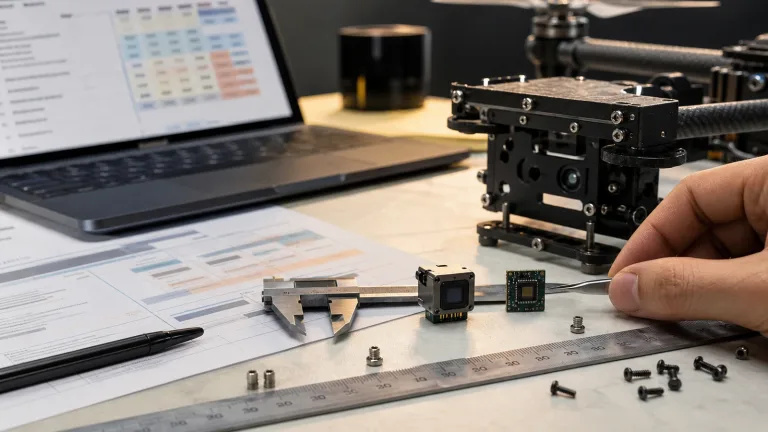
A compact thermal camera core can look like the easy part of an embedded sensing project. The module is small, the price is clear, and the first sample seems close. Then the host-board review starts: the connector points the wrong way, the scene is wider than the optics can cover, the firmware team expected USB instead of SPI, or procurement asks for documents after the layout has already been frozen.
This memo is for engineers and buyers who want the sample order to answer real integration questions, not create a second board spin.
Quick answer
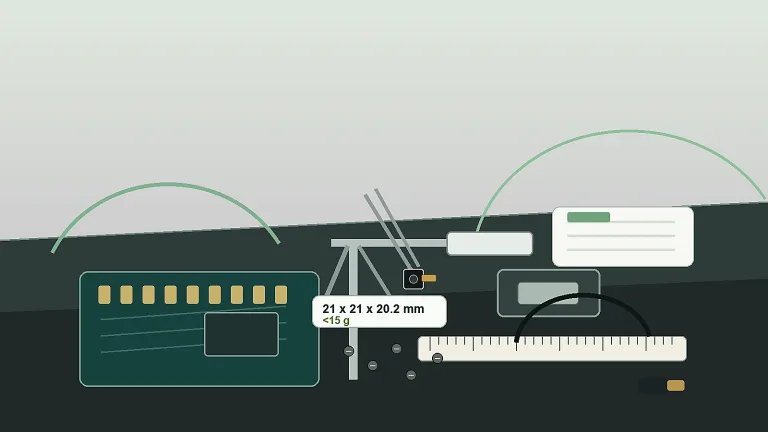
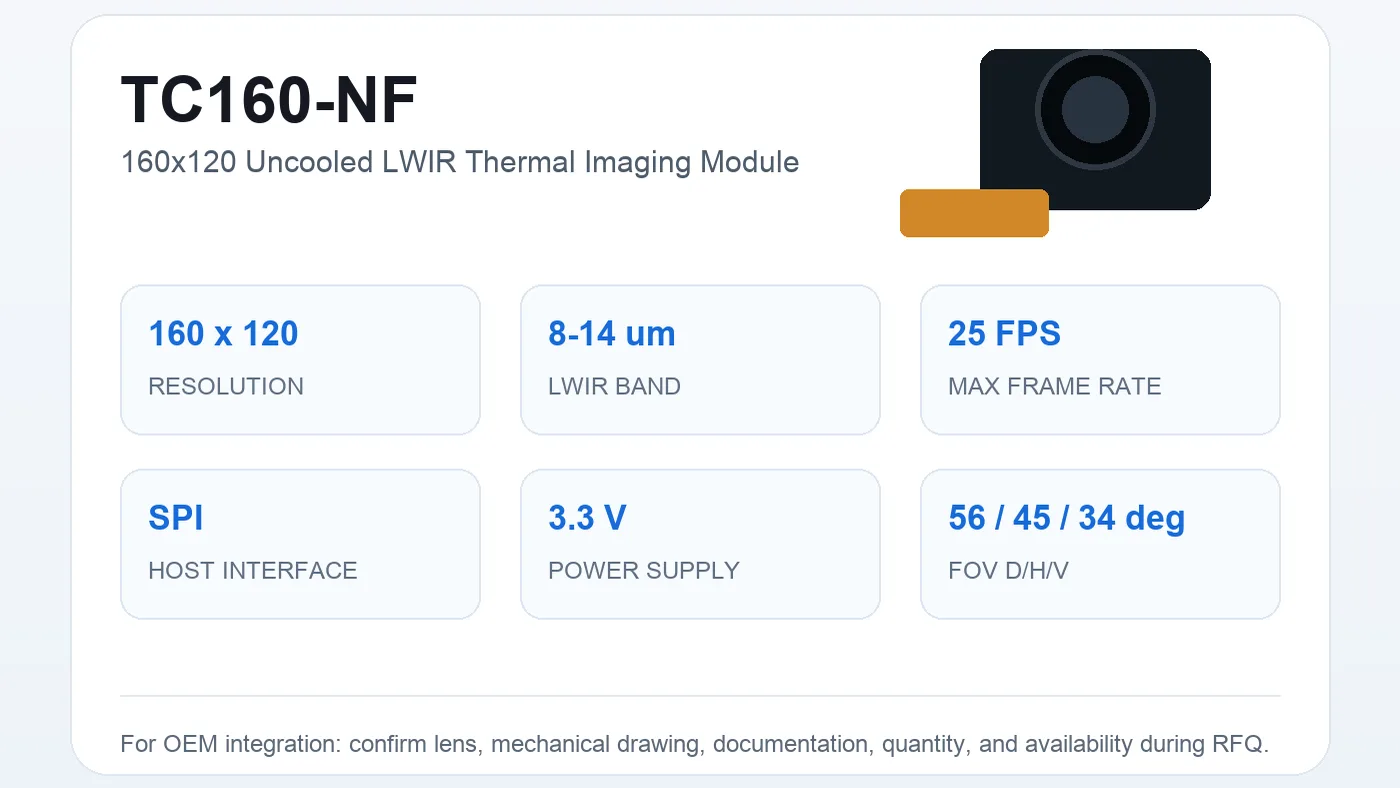
A compact thermal camera core should be selected only after the buyer confirms mechanical envelope, host interface, scene coverage, power budget, and documentation needs. Camcuda’s Featured TC160-NF 160×120 Uncooled LWIR Thermal Imaging Module fits compact embedded sensing projects that need SPI host integration, 3.3 V supply, low-power operation around 76-78 mW reference, 8-14 um LWIR sensing, and a 56 / 45 / 34 deg D/H/V field of view. For UAV payload or 640 x 512 work, HR21-L612-USB may be a better neighboring path, but it should not replace TC160-NF in a low-power board-fit RFQ without a reason.
compact thermal camera core decisions start at the board edge
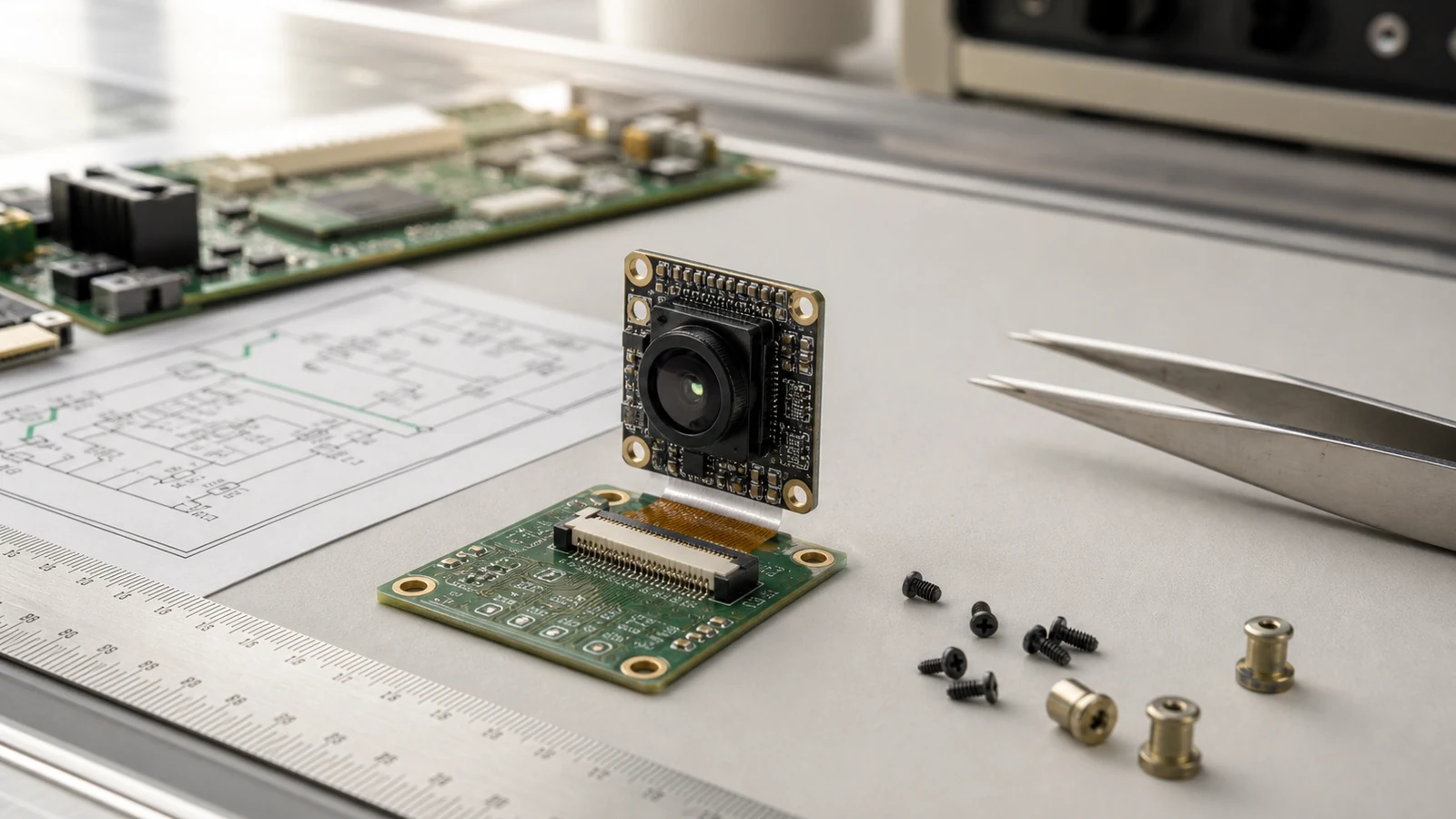
The first buyer moment is usually quiet. An embedded team has a device enclosure on the table, a PCB outline on the screen, and a thermal sensing feature that product management wants in the next prototype. Someone asks whether a compact thermal camera core can simply be ordered and tested. The engineering answer is: maybe, but only if the sample is ordered against the real board constraints.
Google’s helpful content guidance pushes publishers to write for people first. For this buyer, people-first content means naming the actual integration risk: a small LWIR module can still be the wrong module if the host interface, connector path, optics, or documentation package does not match the product.
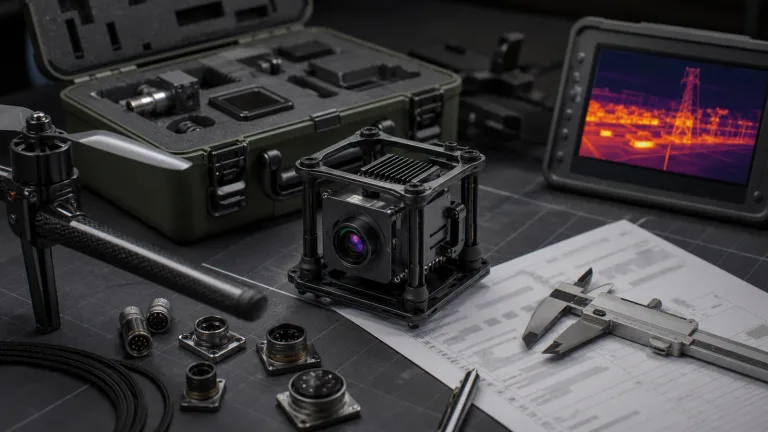
NVIDIA’s Hannover Messe 2026 manufacturing coverage describes industrial AI through systems, simulation, robotics, and vision workflows rather than isolated sensors. That framing is useful here. A thermal core is part of a board, enclosure, firmware path, power budget, inspection workflow, and supplier handoff. The module is only small in physical size; the decision is still a system decision.
1. Does the connector and host interface match the first board?
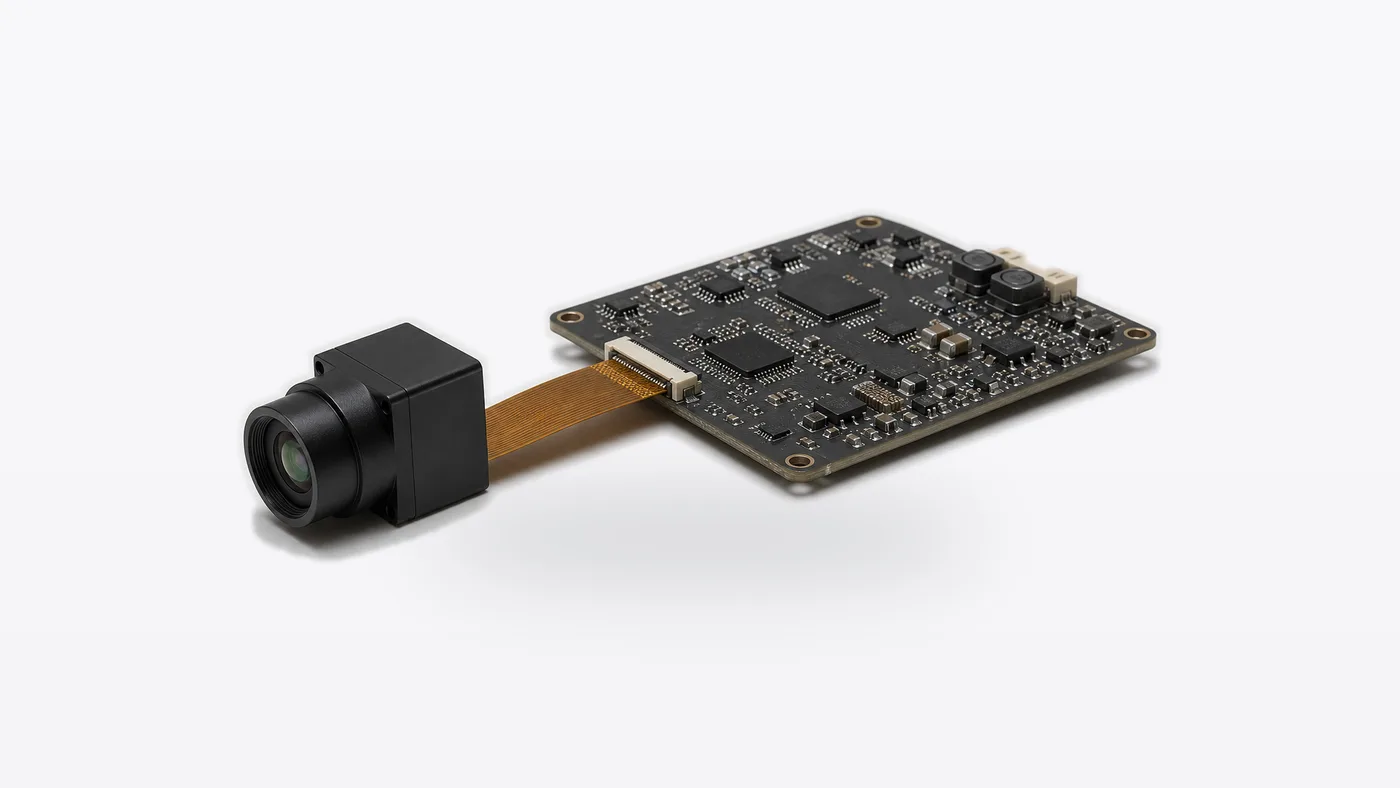
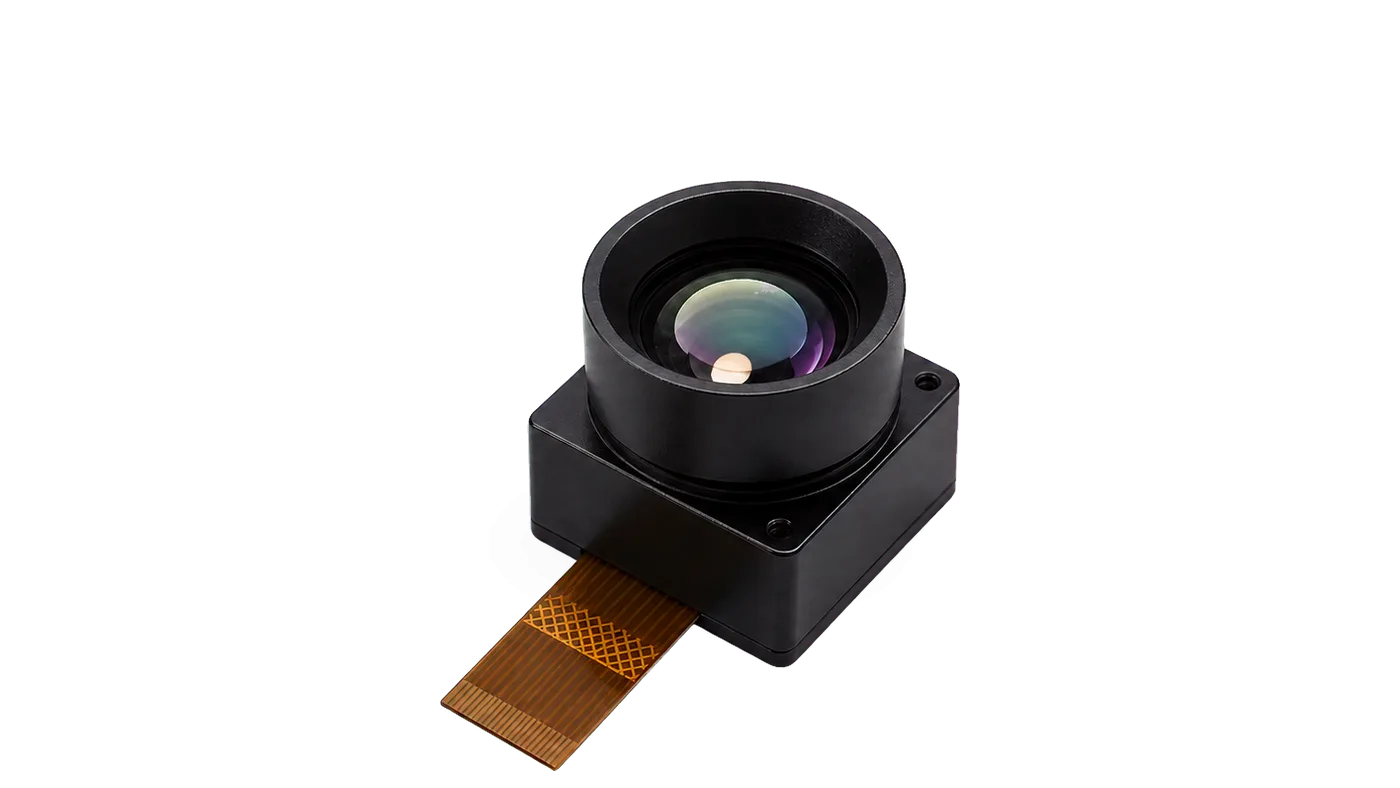
TC160-NF is planned around SPI host integration through a 10-pin FPC, 0.5 mm pitch reference connector path. That is excellent for compact embedded products when the host board and firmware team are ready for it. It is frustrating when the buyer expected a USB camera-style evaluation path without saying so in the RFQ.
The practical trade-off is simple. SPI and FPC paths can support compact board design, but they require earlier electrical and firmware planning. USB evaluation may be useful for bring-up, but it should be requested as an evaluation path, not assumed as the bare-module interface.
2. Does the thermal scene match the optics and resolution?
A compact thermal camera core with 160 x 120 resolution can be very useful for presence sensing, heat distribution, HVAC monitoring, smart appliance feedback, compact security sensing, and event detection. It is not the same decision as a 640 x 512 UAV payload or long-range inspection camera.
Micron’s smart manufacturing article explains how image analytics can evaluate detailed process steps across manufacturing. The lesson for a Camcuda buyer is not to copy semiconductor examples; it is to define what the thermal image must decide. If the device only needs to detect heat zones or occupancy patterns, TC160-NF may be enough. If the product needs fine inspection detail at distance, the RFQ should say so before samples are ordered.
3. Can procurement approve the sample package before the layout freezes?
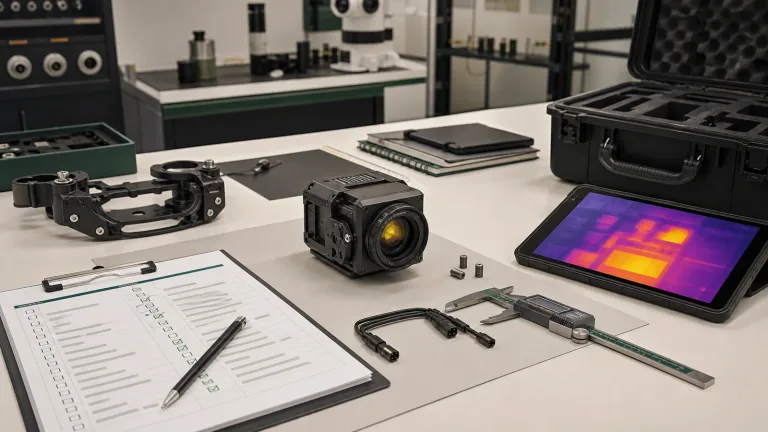
A compact module can still fail a buying process if the documentation arrives too late. Ask for lens details, mechanical drawing, FPC orientation, host connector reference, interface documentation, quantity and availability notes, and compliance-related materials where applicable. For North America or government-adjacent projects, Camcuda can provide an NDAA statement available on request; confirm the document need during RFQ.
compact thermal camera core selection chart for sample planning
| Buyer question | What it means technically | TC160-NF fit | Next link |
|---|---|---|---|
| Can the module fit inside a small device? | Review board outline, connector direction, enclosure window, lens clearance, and cable path. | Strong fit for compact embedded sensing when SPI/FPC is acceptable. | View TC160-NF |
| Do we need USB video out of the module? | Separate bare-module interface from evaluation-board or processor-board needs. | SPI host integration is the core path; request USB evaluation planning if needed. | Compare interfaces |
| Is 160 x 120 enough? | Match resolution to target size, working distance, scene width, and decision logic. | Good for thermal presence, zones, smart-device sensing, and compact monitoring. | Thermal imaging cores |
| Is this actually a drone payload project? | UAV payloads may need higher resolution, different video path, mounting, and field validation. | Use TC160 only when the mission fits low-power embedded sensing; otherwise compare HR21. | Drone thermal camera |
| Will the product be used outdoors? | Outdoor monitoring raises enclosure, target distance, mounting, and documentation questions. | Possible for compact sensing when environment and optics fit; confirm during RFQ. | Outdoor field thermal imaging |
TC160-NF product evidence for a compact thermal camera core RFQ
The selected product mode for this article is single_product_focus: TC160-NF is the primary Featured product because the keyword is compact core and board-fit intent. HR21-L612-USB is kept as a short contrast for buyers who realize their project is actually a 640 x 512 UAV or higher-detail module question.
| Product model | TC160-NF |
|---|---|
| SKU reference | MI1602M5S |
| Detector class | Uncooled LWIR thermal imaging module |
| Resolution | 160 x 120 |
| Total pixels | 19,200 reference |
| Detector pitch | 35 um reference |
| Spectral range | 8-14 um |
| Frame rate | Up to 25 FPS |
| Field of view | 56 / 45 / 34 deg in D/H/V order |
| Optical path | Narrow-FOV fixed optical configuration |
| Supply voltage | 3.3 V |
| Power consumption | Low-power operation, around 76-78 mW reference |
| Host interface | SPI |
| Connector path | 10-pin FPC, 0.5 mm pitch reference; confirm host connector during RFQ |
| Operating temperature | -20 deg C to +85 deg C reference |
| Calibration | Factory calibrated thermal output |
| USB evaluation path | Available through evaluation-board planning; confirm during RFQ |
These values are enough to start an engineering review, but they are not the full product design. The buyer still needs to confirm final lens material, mechanical drawing, FPC orientation, host timing, GUI or SDK expectations, quantity, availability, and destination-market documents.
If the same project suddenly requires a UAV payload, 640 x 512 detail, USB video, USB serial communication, RS-422, or CVBS analog output on applicable configurations, compare HR21-L612-USB instead of forcing TC160-NF into the wrong role. CVBS should be confirmed during RFQ for exact model, firmware, host system, and market requirements.
Application case: a compact sensing board that almost ordered the wrong sample
A smart-device team wants a thermal input for room-condition feedback. The enclosure already has a small front window, the MCU board is crowded, and the product manager wants a sample next week. The first email asks for a compact thermal camera core with “easy video output.”
That phrase is too vague. The engineer revises it into a useful RFQ: 160 x 120 LWIR module, low-power 3.3 V operation, SPI host integration, 10-pin FPC path, narrow-FOV review, target scene within a small room zone, and documentation before the second board layout. The sample question becomes board-fit evidence, not just price.
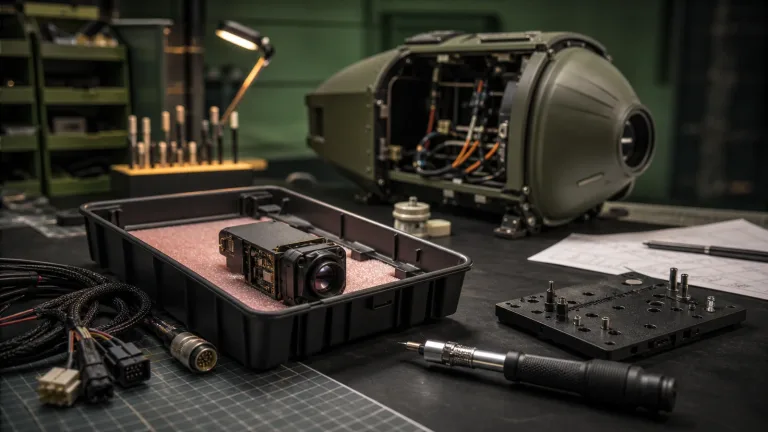
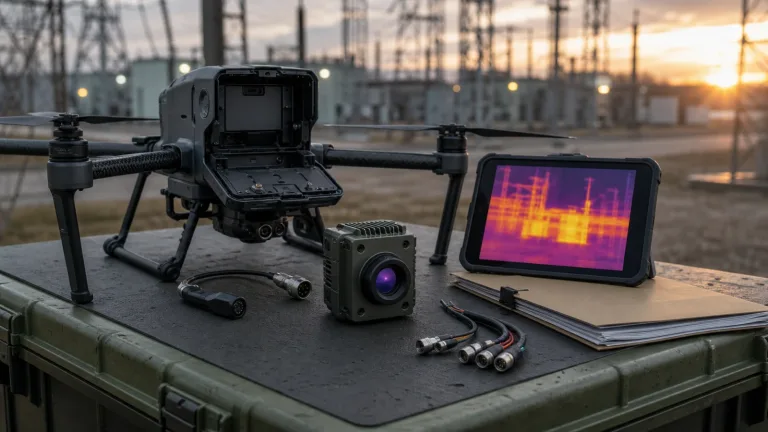
The same discipline applies to HVAC monitoring, appliance sensing, compact security devices, and edge sensing nodes. Teledyne FLIR’s SIRAS page is a good contrast because it describes a complete professional drone with an interchangeable thermal/visible payload. TC160-NF is not that product class. It is for buyers building the host product around a small LWIR sensing input.
Common mistakes with compact thermal camera core samples
- Ordering by size alone. Small physical size does not confirm FPC orientation, lens clearance, host timing, firmware effort, or enclosure fit.
- Confusing SPI integration with plug-and-play USB video. If USB evaluation is needed, request it directly instead of assuming it comes with the bare module.
- Using 160 x 120 for a fine-detail inspection job. Resolution must match target size, distance, scene width, and decision logic.
- Skipping the documentation request. Mechanical drawings, interface references, support files, and compliance-related documents can decide whether procurement releases sample funds.
- Forcing one Featured product into every article or RFQ. TC160-NF serves compact embedded sensing; HR21-L612-USB serves a different 640 x 512 UAV/OEM payload path.
RFQ checklist for a compact thermal camera core sample
| RFQ item | Details to send |
|---|---|
| Application | Smart appliance, HVAC monitoring, embedded security sensing, IoT node, compact outdoor monitor, or another OEM device. |
| Scene requirement | Target size, working distance, scene width, event type, and whether temperature-related output or thermal presence is needed. |
| Board constraints | Available PCB area, FPC direction, connector height, enclosure window, lens clearance, and cable route. |
| Electrical path | SPI host integration, 3.3 V supply plan, MCU/processor model, timing expectations, and evaluation-board needs. |
| Software needs | GUI, SDK, sample code, calibration output, or host-side image processing requirements. |
| Documents | Datasheet, mechanical drawing, interface reference, support files, compliance-related materials, and NDAA statement available on request when relevant. |
| Commercial notes | Prototype quantity, annual estimate, destination country, timeline, and whether the project needs TC160-NF or a higher-resolution alternative. |
Use Camcuda support downloads and the support FAQ to prepare a cleaner request, then send the application notes through Camcuda contact/RFQ.
Send the board constraints before sample money moves
If your project needs a compact thermal camera core for embedded sensing, send Camcuda the board outline, connector expectation, scene requirement, power budget, document needs, and prototype quantity. The team can review whether TC160-NF fits the first sample or whether a higher-resolution module path is more honest.
FAQ about compact thermal camera core sample orders
Is TC160-NF a complete thermal camera?
No. TC160-NF is a compact thermal camera core for OEM and embedded-system integration. The host board, enclosure, firmware path, window, lens confirmation, and documentation package still need project review.
When is a compact thermal camera core better than a 640 x 512 module?
Use a compact lower-resolution core when the product needs low power, small sensing input, SPI/FPC integration, and thermal presence or zone awareness. Use a 640 x 512 path when the project needs more image detail, UAV payload work, or longer-distance inspection.
Does TC160-NF use USB?
The bare module path is planned around SPI host integration. A USB evaluation path may be available through evaluation-board planning, but it should be confirmed during RFQ.
What does the 56 / 45 / 34 deg FOV mean?
It is the D/H/V field-of-view reference for the narrow-FOV optical configuration. Buyers should confirm target size, working distance, and scene width before ordering samples.
Can a compact thermal camera core support outdoor monitoring?
It can support compact outdoor or field sensing when the enclosure, window material, temperature range, mounting, scene distance, and optics fit the application. Review the outdoor field thermal imaging page if the deployment is exposed or fixed outside.
Should CVBS be included in this RFQ?
Usually not for TC160-NF SPI host-board sensing. Mention CVBS only if the project involves analog video, a legacy display, recorder, transmitter, drone video path, or retrofit. Camcuda can support CVBS analog output on applicable configurations for relevant module paths; confirm during RFQ.
What documents should procurement request before sample approval?
Ask for datasheet, mechanical drawing, interface reference, support files, compliance-related materials where applicable, and an NDAA statement available on request when North America or government-adjacent procurement requires it.
How should we describe the host board in the RFQ?
Send the MCU or processor model, available board area, FPC direction, connector height, supply plan, interface expectations, enclosure window, and any evaluation-board or software support needs.
Can Camcuda help compare TC160-NF and HR21-L612-USB?
Yes. TC160-NF is the primary compact embedded sensing option in this article. HR21-L612-USB is a stronger fit when the project needs 640 x 512 resolution, UAV/OEM payload work, USB video, RS-422, or applicable CVBS analog output.