Application / Industrial inspection
Thermal inspection starts with the right data.
Seeing a heat pattern and measuring a temperature are different requirements. Choose the imaging or thermographic configuration your inspection workflow actually needs, then confirm the host interface and calibration scope.
Configuration-specific specifications · Sample to volume
Product selection
Current cores for inspection projects
SuperMini offers imaging and thermographic variants. AeroMini, CAMCUDA FlexMini 640 and HR-1280 provide additional imaging paths; do not infer calibrated temperature output from resolution or a thermal photograph.
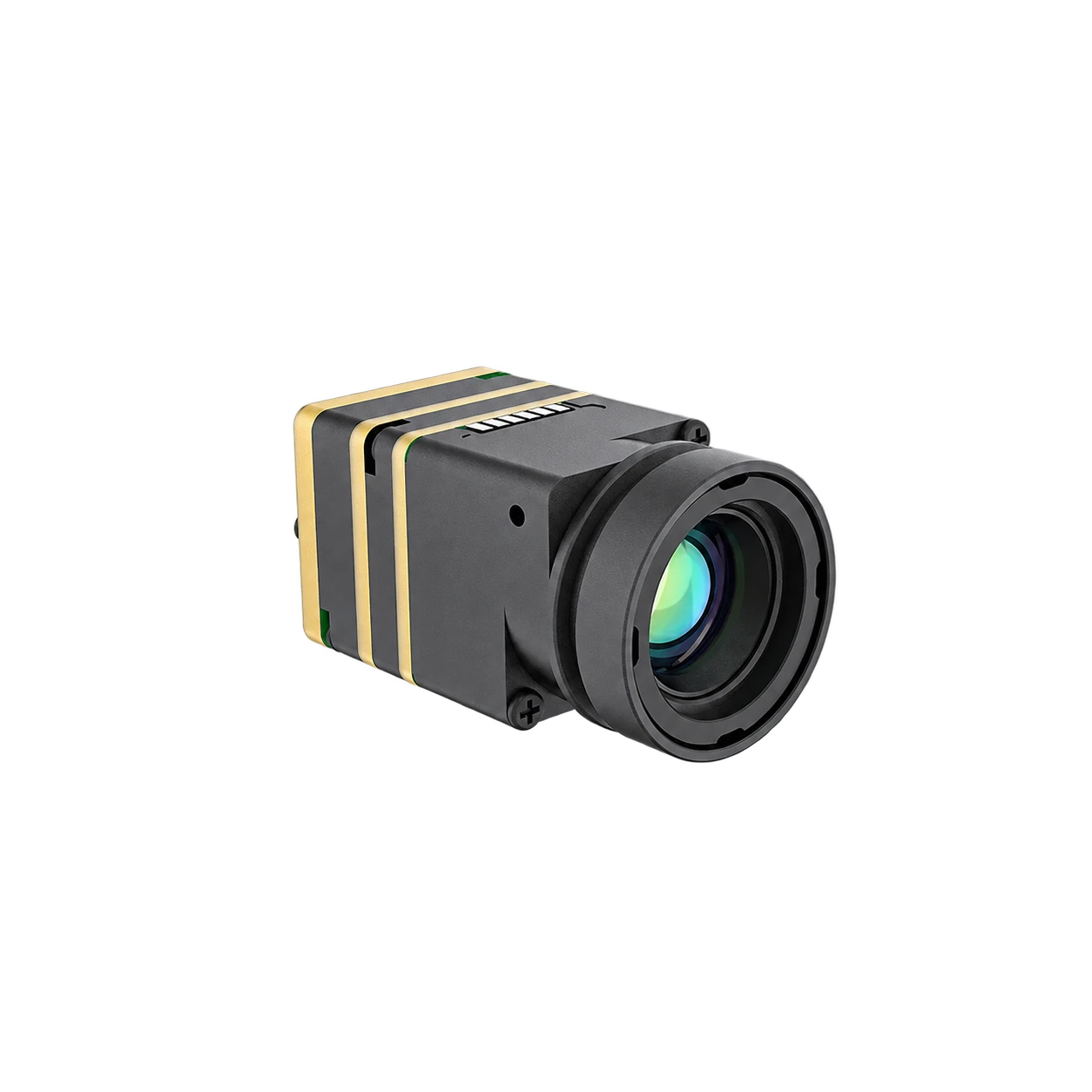
CAMCUDA SuperMini 640 / 640T
A 640 × 512 core measuring 13 × 13 × 13.4 mm, with core-only mass under 3.5 g, excluding the lens and expansion boards. Choose 640 imaging or 640T thermography.
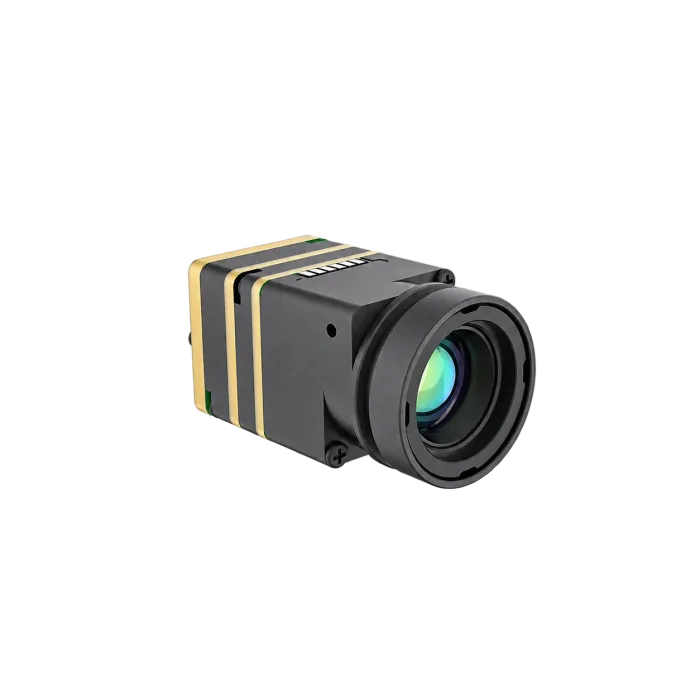
CAMCUDA AeroMini 640
Compact 640 × 512 non-radiometric LWIR USB camera core for drone payloads, DJI-type platforms and custom gimbals. Eight production lens options.
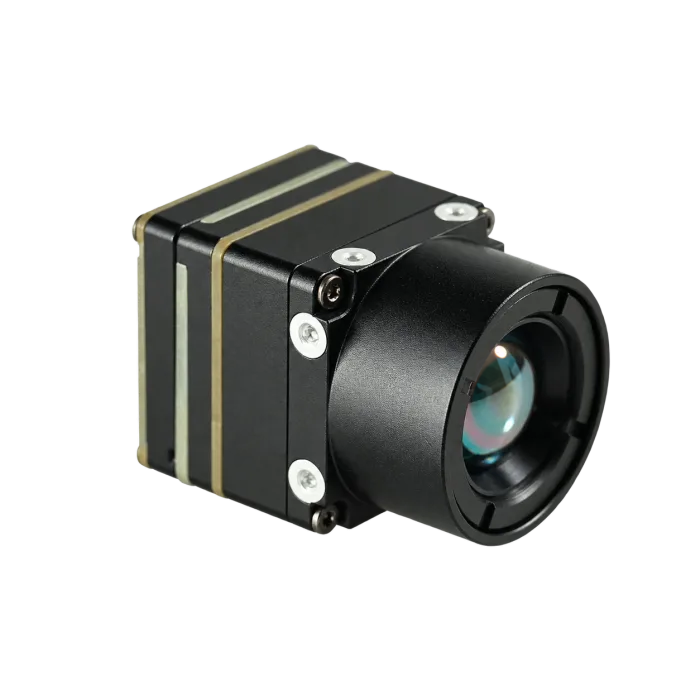
CAMCUDA FlexMini 640
640 × 512 imaging with 12 μm pixels at 50 Hz. Select a CVBS, USB UVC or MIPI output path for your configuration. Custom focal lengths are available for orders over 100 units.
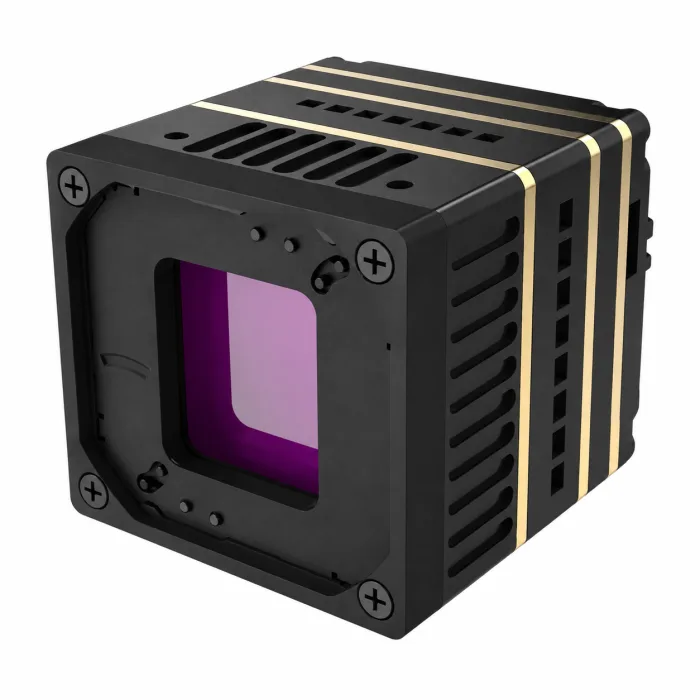
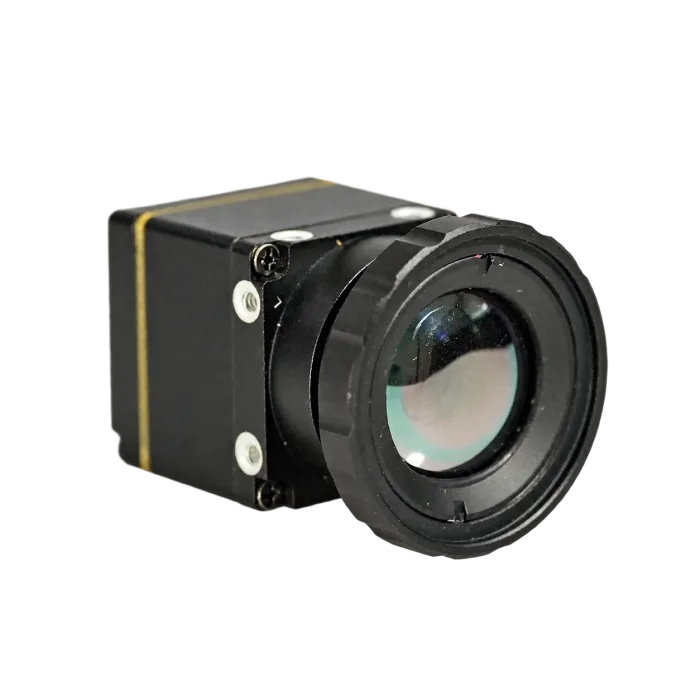
CAMCUDA HR-1280 High-Resolution LWIR Thermal Camera Module
HR-1280 is a 1280x1024 uncooled VOx LWIR thermal imaging module for OEM imaging, thermal drone payload evaluation, outdoor monitoring, and industrial inspection projects that need high-resolution thermal output and interface review.
Selection guide
Define the inspection decision first.
Electrical assets
Use repeatable thermal views to support review of cabinets and connections. Temperature alarms require a confirmed measurement and calibration specification.
Equipment condition
Compare heat patterns on motors, pumps and other assets as part of a maintenance workflow. Control viewing position and environmental conditions for useful comparisons.
OEM inspection heads
Plan a complete inspection head around optics, mounting, thermal management and host software. Specify recorded imagery or numerical data before choosing hardware.
Project checklist
Confirm the details that change the result.
Radiometry
State whether you need live imagery or calibrated temperature values. SuperMini 640 is imaging-only; 640T is the thermographic option.
Measurement acceptance
Define the required range, accuracy, emissivity handling, distance and validation conditions with the supplier. Do not use image-only cores as calibrated instruments.
Optics and enclosure
Ordinary visible-light glazing should not be assumed suitable for LWIR. Confirm the optical window, field of view and environmental protection.
Data and software
Confirm the supported data path, interface board, firmware and software document set for the exact configuration.
Sample / OEM / Volume RFQ
Tell us what you need to see.
Send the selected product, application, lens or viewing distance, host interface, size and power limits, quantity, destination and schedule. For thermography, include the measurement requirements. We will confirm the configuration and quotation.
FAQ
Questions before you choose.
Can any thermal module provide temperature readings?
No. Thermal imagery alone does not establish calibrated temperature measurement. Select a confirmed thermographic configuration and review the measurement specification.
What is the SuperMini 640 versus 640T difference?
The current SuperMini 640 is the 50 Hz imaging version; SuperMini 640T is the 30 Hz thermographic version. Confirm the relevant output and software for your project.
Is a higher-resolution core automatically more accurate?
No. Spatial resolution and temperature accuracy are different specifications. Review both against your inspection acceptance criteria.
Does a module include a complete inspection system?
No. The host, enclosure, application software and calibration or integration services are separate unless the quotation explicitly includes them.